Booking choice: The Croke Park Stadium Tour, from $20 per person. Check dates Tour details
Bloody Sunday is the darkest day in the history of the GAA, and Croke Park does not hide it. A stand carries the name of the player who died, the museum has a permanent section on the day, and around each anniversary the guides lead commemorative tours.
Saturday 21 November 2026 is the 106th anniversary. Here is what the tours involve, what we know about this year's dates, and the history in five minutes.
The quick answer
The GAA Museum runs Remembering Bloody Sunday tours around 21 November. In 2025 they ran on Friday 21 November at 10:30 and 14:30, for €18 adult and €14.50 student or senior, museum included. Dates for 2026 were not published as of 22 October: check crokepark.ie from early November. The ordinary Stadium Tour also covers Bloody Sunday, every day.
What are the Remembering Bloody Sunday tours?
Special guided tours of Croke Park around the anniversary. The guides walk through the events and timeline of the day, remember the victims and explain what it meant for the GAA and Ireland.
That is how Croke Park describes them on its commemorative tour page. The tour runs through the stadium like a standard tour, but the story stays with 1920: where the crowd stood, where the shooting came from, and who died. Entry to the GAA Museum is included, and the museum's Bloody Sunday section is the natural place to finish.
The tours are fully accessible, according to the 2025 listing. They are run by Croke Park itself and are not sold on GetYourGuide.
When are the Bloody Sunday tours in 2026?
Not announced as of 22 October 2026. Last year they ran on the anniversary itself, Friday 21 November 2025, at 10:30 and 14:30.
The 2025 page, dated 6 November 2025, gave two departures on the day at €18 for adults and €14.50 for students and seniors. An older version of the tour page shows a three-day format, from Friday to Sunday at 11:30. The format changes from year to year. Last year's details went up on 6 November, so check crokepark.ie in early November.
In 2026 the anniversary falls on a Saturday. If the special tours do not suit your dates, take the regular Stadium Tour that week. Bloody Sunday is part of every standard tour story, and the museum display is there all year.
| Detail | 2025 (last year) | 2026 |
|---|---|---|
| Date | Fri 21 November | Not published yet (21 Nov is a Saturday) |
| Times | 10:30 and 14:30 | Not published yet |
| Adult | €18 | Not published yet |
| Student / senior | €14.50 | Not published yet |
| GAA Museum | Included | Expect the same |
Not here on the anniversary? The daily Stadium Tour tells the story too.
Check dates for the Croke Park Stadium TourWhat happened at Croke Park on Bloody Sunday, 21 November 1920?
During a Dublin v Tipperary football match, Crown forces entered the ground and fired into the crowd. Fourteen people died, among them Tipperary player Michael Hogan.
It was the War of Independence. That morning, Michael Collins's squad had shot dead a number of British intelligence officers across Dublin. In the afternoon, police and military surrounded the challenge match at Croke Park in reprisal, and the shooting began soon after the match started. Spectators ran for the exits and over the walls. Thirteen spectators and one player were killed, and more than 60 people were injured, as reported by the Irish Examiner.
The dead included children, and Jane Boyle, a young woman due to be married days later, who was buried in her wedding dress. That evening three IRA prisoners, Dick McKee, Peadar Clancy and Conor Clune, were killed in Dublin Castle. Our Croke Park history guide puts the day in the longer story of the ground.
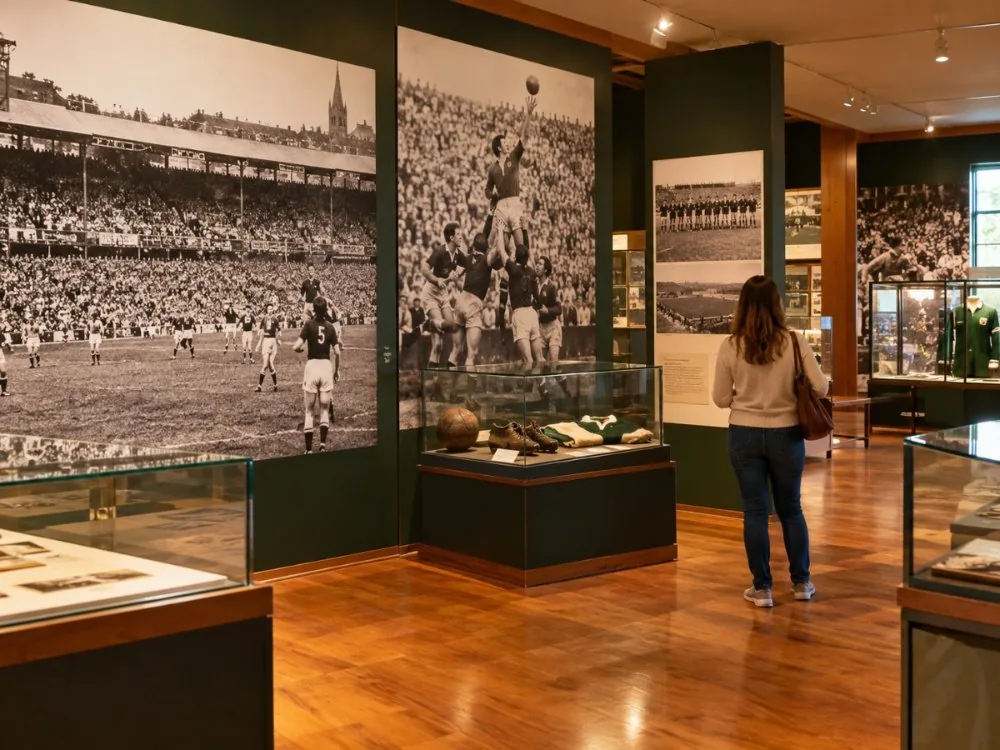
How is Bloody Sunday remembered at Croke Park today?
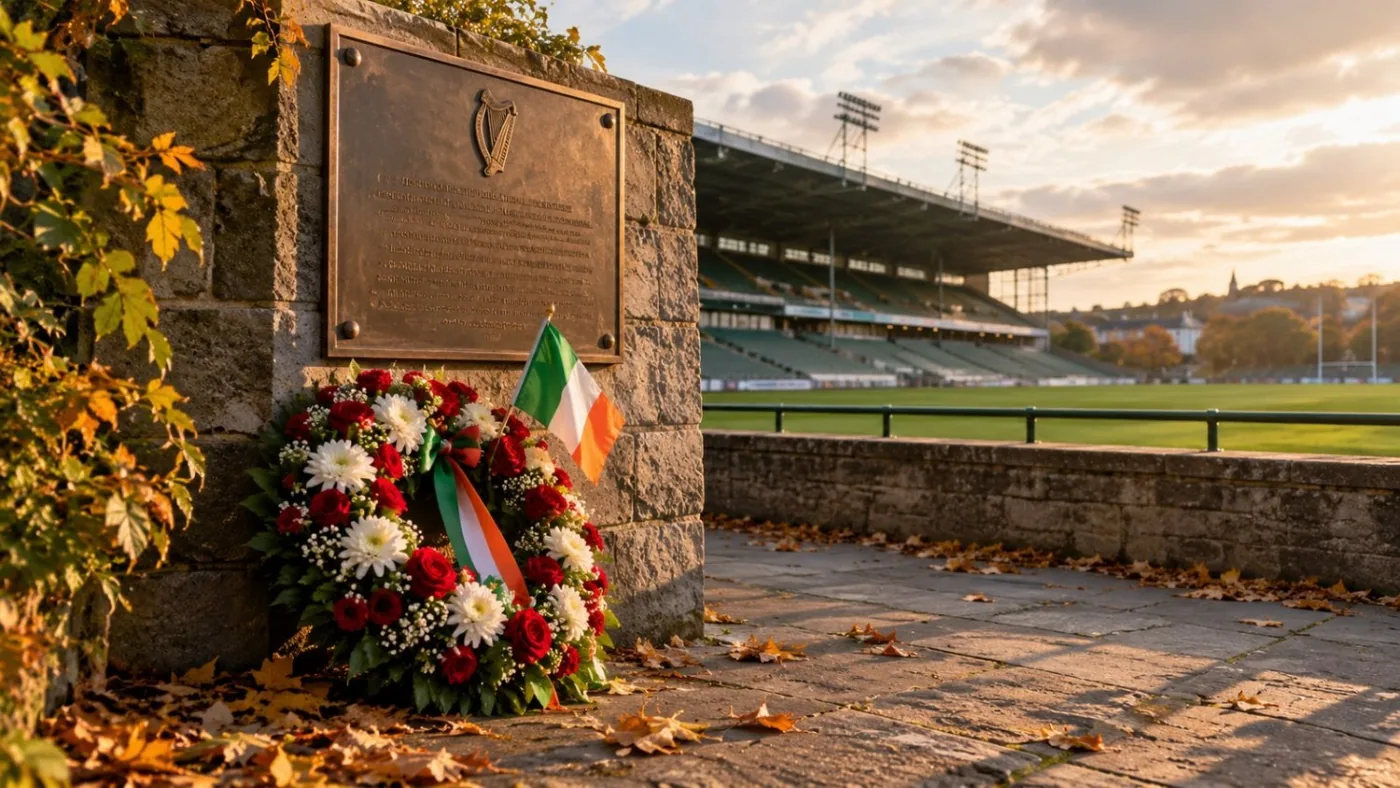
In the name of the Hogan Stand, in the museum, and in the November commemorations. The GAA also marked the centenary in 2020 with a programme of events.
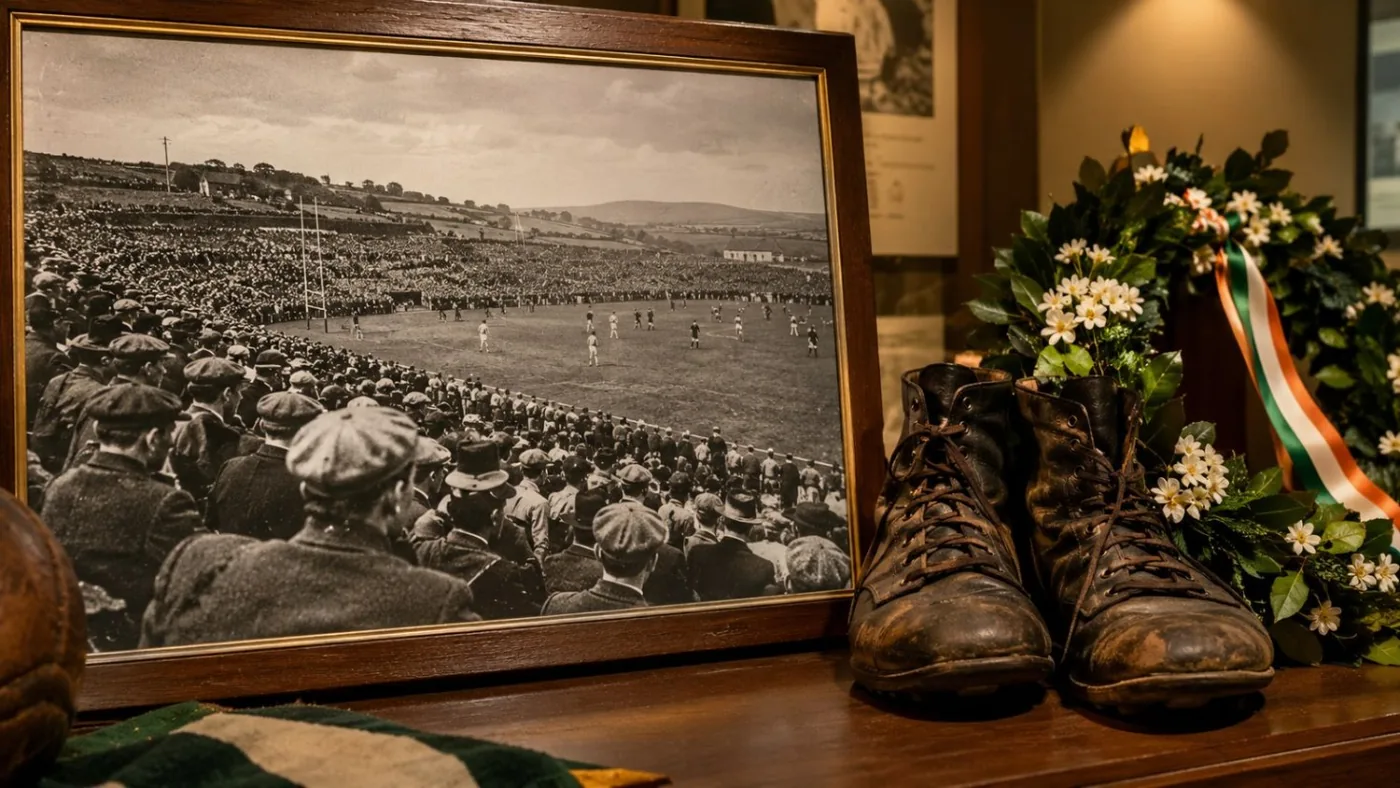
The Hogan Stand, the main stand along the side of the pitch, is named after Michael Hogan. For the centenary the GAA Museum opened a Remembering Bloody Sunday exhibition with artefacts, newspaper reports, photographs and the victims' stories, and ran weekly commemorative tours through the autumn of 2020.
We think the tour lands harder in November. The pitch is quiet, the light is low, and the guides know the names. Ask your guide to show you where the shooting started.

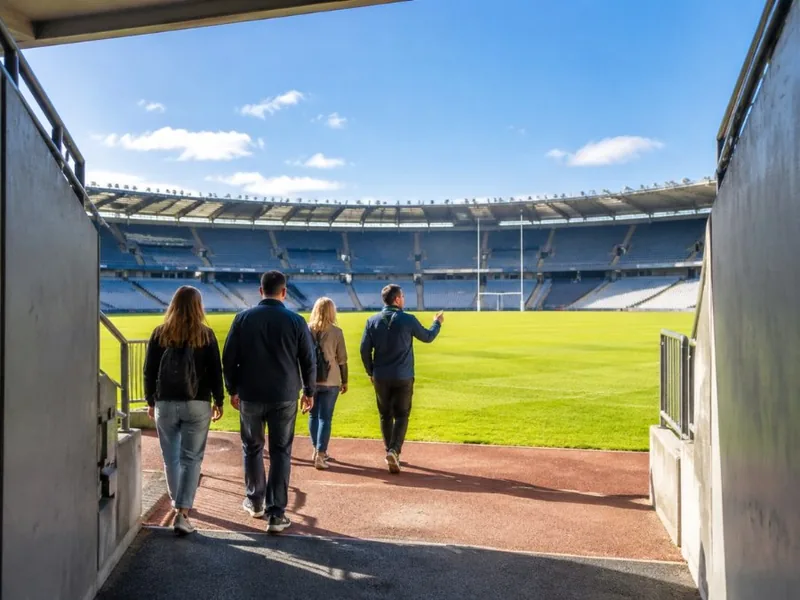
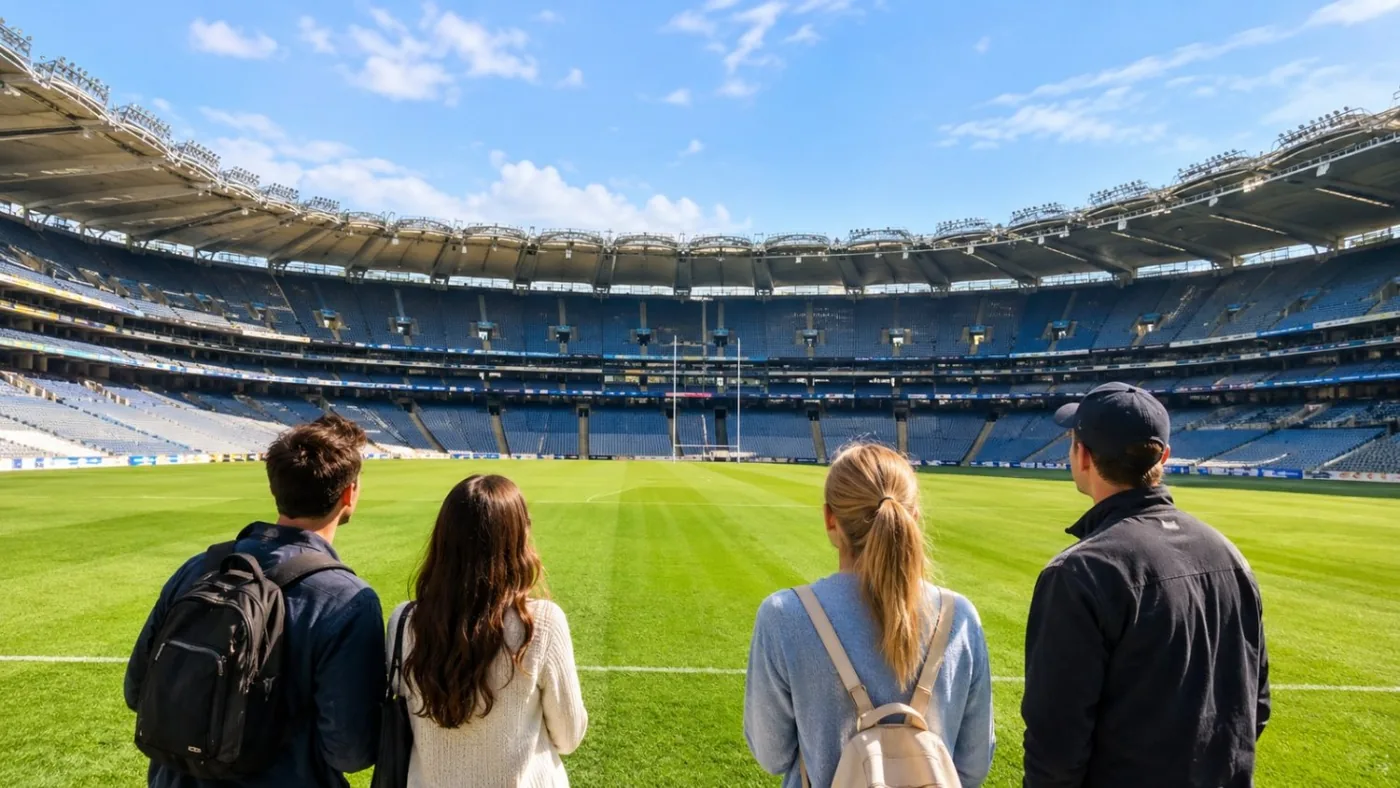
The daily Stadium Tour: dressing rooms, pitchside and the history of the ground, with the GAA Museum included.
Explore the Croke Park Stadium Tour Tour detailsWhat else can you see in Dublin about 1920?
Glasnevin Cemetery, the GPO and Dublin Castle all tie into the same years. Combine one of them with Croke Park on the same day.
Glasnevin is the closest, a short bus ride north of Croke Park. The Glasnevin Cemetery history tour covers the 20th-century history of Ireland's national cemetery, and Michael Cusack, a founder of the GAA, is buried there. In the city, the historical walking tour is a two-hour way to see the centre with a guide.
Dublin Castle was the seat of British rule in 1920, and the place where McKee, Clancy and Clune died that night. Dublin Castle lists its own opening times and tours. Is Croke Park worth visiting? helps if you are short on time.
Frequently asked questions
How many people died on Bloody Sunday at Croke Park?
Fourteen: thirteen spectators and the Tipperary player Michael Hogan. More than 60 people were injured.
Is the Hogan Stand named after a Bloody Sunday victim?
Yes. It is named after Michael Hogan, the Tipperary footballer killed during the match on 21 November 1920.
Do I need the special tour to learn about Bloody Sunday?
No. The regular Stadium Tour covers it and the GAA Museum has a section on the day. The November tours focus the whole tour on it.
Are the Remembering Bloody Sunday tours on GetYourGuide?
No. They are booked through Croke Park. The regular Stadium Tour and Skyline are available on GetYourGuide.
Ready to book
Choose your ticket
Free cancellation up to 24 hours before on every option. Prices are from-prices in USD and move with the season.
Croke Park Stadium Tour & GAA Museum
- 90-minute guided tour of Croke Park
- Entry to the GAA Museum
- Pitchside access
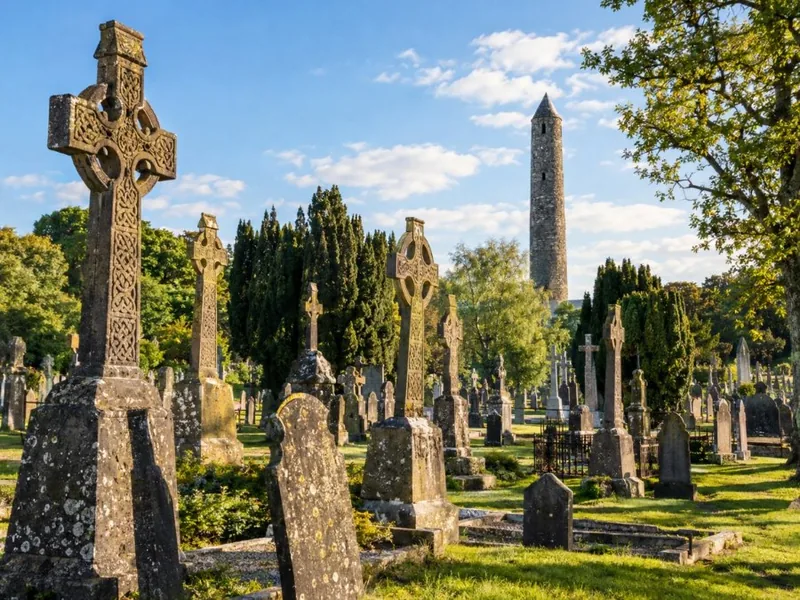
Glasnevin Cemetery Irish History Tour
Where Michael Cusack, founder of the GAA, is buried
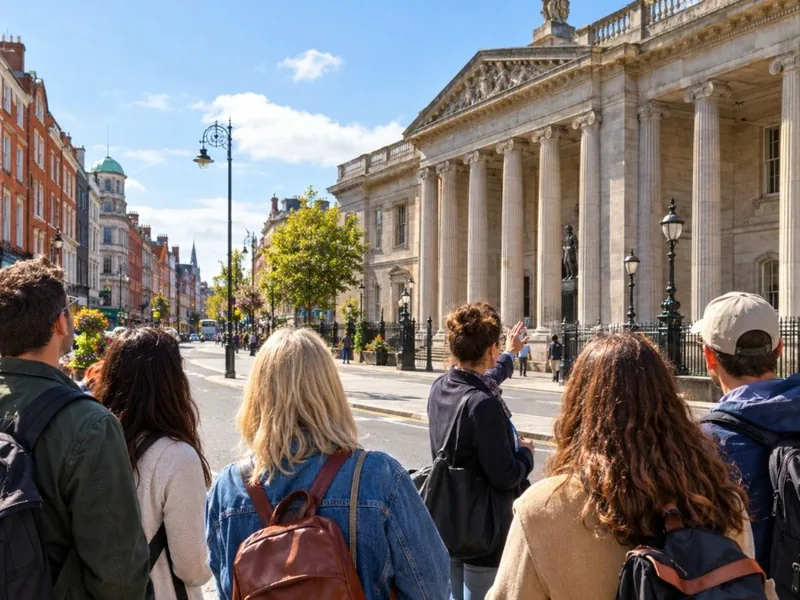
Historical Walking Tour of Dublin
The city story behind Bloody Sunday 1920