Booking choice: The Gaelic Games Experience, from $52 per person. Check dates Tour details
Gaelic games are Ireland's own sports: hurling, Gaelic football, camogie, ladies' football, handball and rounders, run by the GAA and its sister associations. They fill Croke Park, empty villages on championship Sundays, and are played by people who are not paid a cent.
Here is how they work, why they matter so much, and a few of the questions visitors are sometimes shy to ask, including the one about religion.
The quick answer
Hurling is played with an ash stick (a hurley) and a small leather ball (a sliotar); Gaelic football with a round ball, hands and feet. In both, a goal is worth three points and a score over the bar one, with a two-point arc in football. Camogie is the women's version of hurling. The players are amateurs, and the games belong to every parish in Ireland, whatever its religion.
What is hurling?
A field game of 15 players a side, played with an ash stick called a hurley and a small leather ball called a sliotar. It is often called one of the fastest field games in the world.
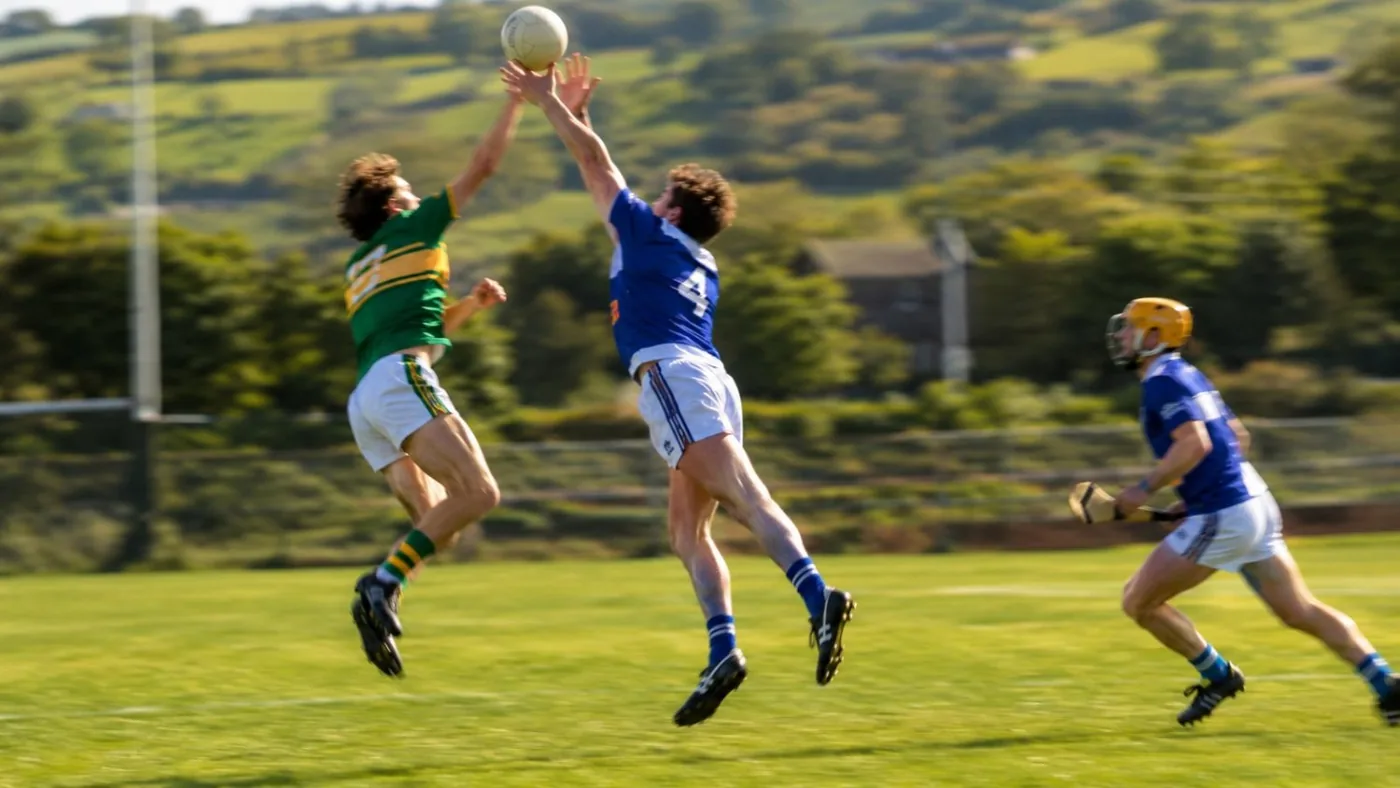
You can strike the ball on the ground or in the air, catch it in your hand, and run with it balanced or bounced on the hurley, but you may carry it in your hand for no more than four steps. A goal, under the crossbar, is worth three points; a shot over the bar between the posts is worth one. Senior inter-county games last 70 minutes.
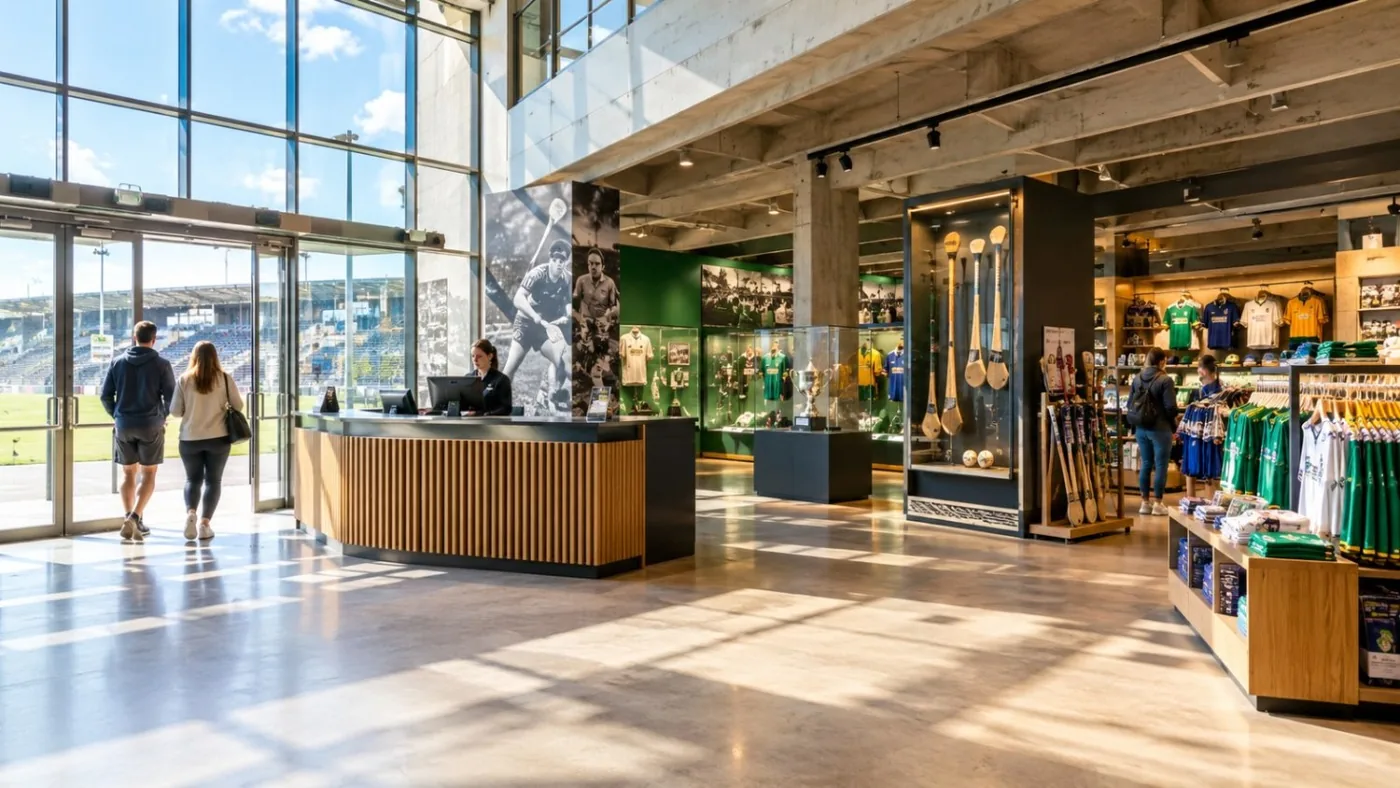
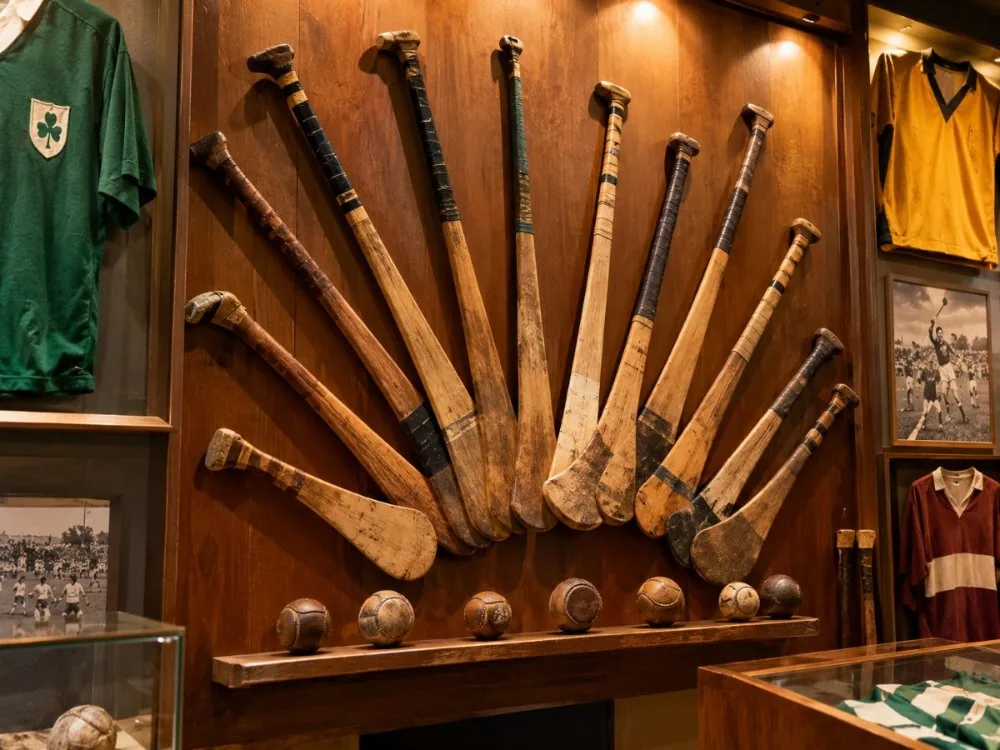
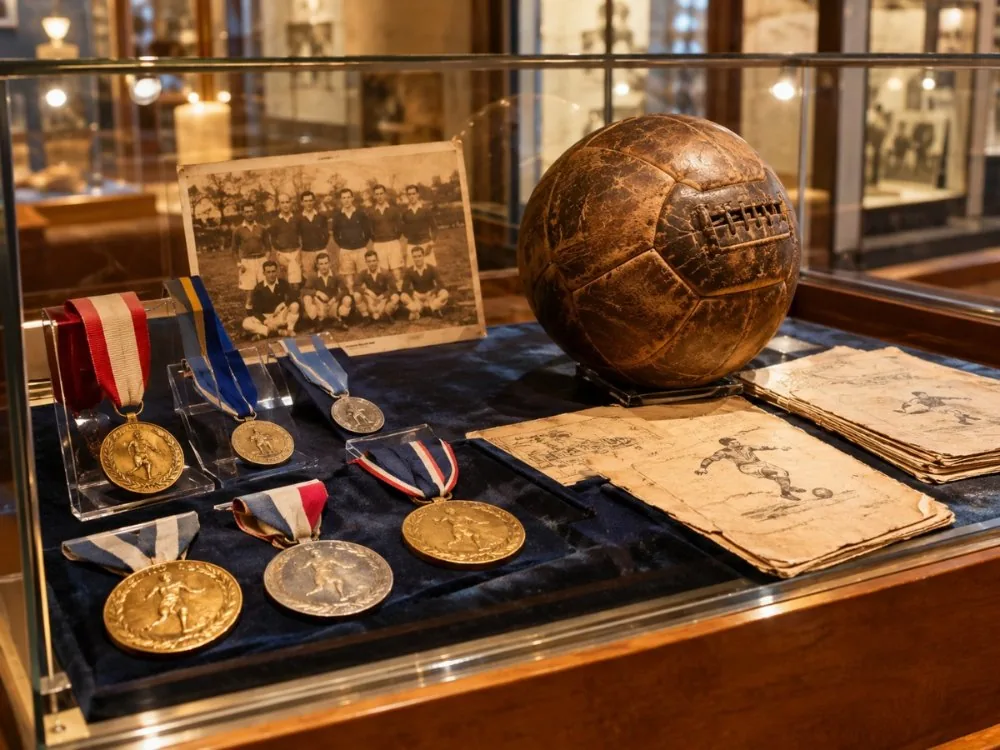
It is very old: Irish law texts refer to it from the seventh century or so, and UNESCO added hurling to its list of intangible cultural heritage in 2018. The All-Ireland winners lift the Liam MacCarthy Cup; the original is in the GAA Museum.
How does Gaelic football work?
Fifteen a side, a round ball, and both hands and feet. Players can carry the ball for four steps, then must bounce it or kick it back to themselves.
The "solo", dropping the ball onto your foot and catching it again on the run, is the skill that looks strangest to newcomers. You can kick or fist-pass, but not throw. Scoring matches hurling: three for a goal, one over the bar.
Since 2025 there is also a two-point arc, 40 metres from goal, for long-range scores, part of a set of rule changes meant to open the game up. For 2026 the GAA confirmed that any score from outside the arc earns two points (balls.ie). The All-Ireland winners lift the Sam Maguire Cup, and the museum has the original.
Have a go yourself: three coached hours of hurling, football and handball at a Dublin club.
Check dates for the Gaelic Games ExperienceWhat is hurling for girls called?
Camogie. It is the women's version of hurling, run by the Camogie Association, with a smaller ball and a few rule differences.
The name comes from the camóg, the shorter stick early players used, and the game has been organised since the early 1900s. Camogie games last 60 minutes, use a size 4 ball, and allow a hand-passed point. Women's Gaelic football is run by the Ladies Gaelic Football Association, founded in 1974, and is one of the fastest-growing sports in Ireland.
For now these are three separate bodies. They have agreed a plan for one association for all Gaelic games by 2027.
Why don't Gaelic footballers get paid?
Because the GAA is an amateur association, by rule and by choice. Players are not paid to play, even at the highest level.
The idea dates back to 1884: the games belong to the community, and the money they make goes back into clubs, pitches and coaching, not wages. County players train like professionals and still work as teachers, farmers, nurses and accountants. They receive expenses and, since 2008, a government-funded grant scheme negotiated by the Gaelic Players Association, which the GAA agreed on the condition that it did not touch its amateur status.
The debate never quite ends, as the demands on players grow. For now, the amateur ethos is what most fans say they love about the games: the man who wins an All-Ireland in July may coach your child's under-10s in August.
Why is GAA so popular in Ireland?
Because your team is your parish and your county. The GAA has more than 2,200 clubs in Ireland, and more than a million people go to county games every summer.
Most people do not pick a GAA team. They are born into it. The club is the local parish, the county team is the county you grew up in, and the rivalries run back generations. The Irish government's guide to the GAA counts over 2,200 clubs at home and more than 500 abroad, all run by volunteers.
History plays its part. The GAA was founded to keep Irish games alive under British rule, and Bloody Sunday made Croke Park a national place. The story is in our Croke Park history guide.
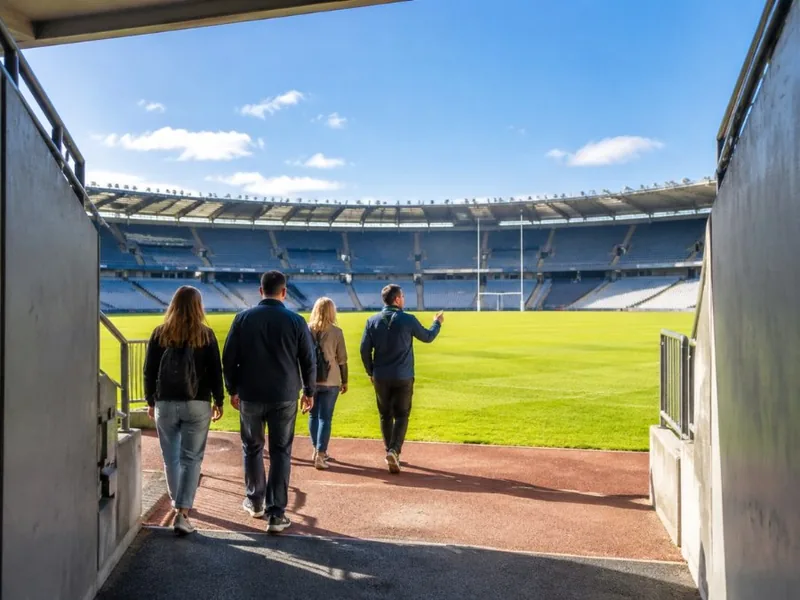
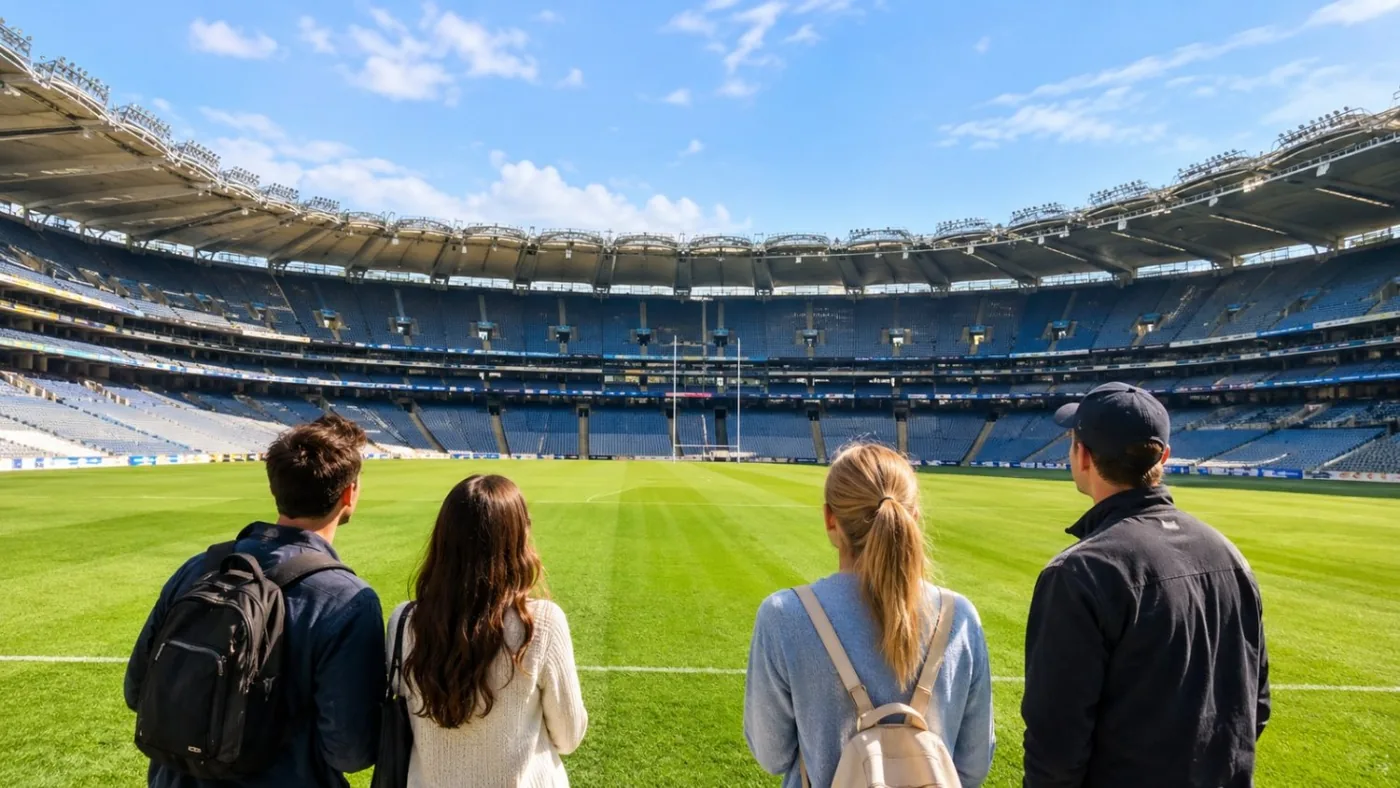
See where the county dreams end up: the dressing rooms and the pitch of Croke Park, with the museum.
Explore the Croke Park Stadium Tour Tour detailsIs soccer or GAA bigger in Ireland?
It depends what you count. Gaelic games draw the biggest crowds in Ireland; soccer is the team sport most people actually play, and the bigger game worldwide.
A study by the Economic and Social Research Institute, using 2003 figures, found that Gaelic football and hurling between them accounted for more than half of all sports attendances in the Republic, with soccer well behind. Sport Ireland's participation surveys, on the other hand, put soccer ahead of Gaelic football as the team sport adults play most.
| Gaelic games | Soccer | |
|---|---|---|
| Biggest home stadium | Croke Park, 82,300 | Aviva Stadium, about 51,700 |
| Players paid? | No, amateur | Yes, professional leagues |
| Crowds at home | The largest in Irish sport | Smaller domestic crowds |
| Most played team sport | Behind soccer | First, among adults |
| Played abroad | Wherever the Irish live | Everywhere |
In practice many Irish children play both, and plenty of soccer fans follow their county in the summer.
Is GAA a Catholic sport?
No. The GAA is open to everyone and its rules describe it as non-sectarian. It has had close historical ties with the Catholic Church, and in Northern Ireland its members come mostly from the Catholic and nationalist community.
Both sides of that answer are true. Archbishop Croke was the GAA's first patron, many clubs grew up around Catholic parishes, and for much of the 20th century priests often sat on club committees. In Northern Ireland, where sport often followed community lines, the GAA's Rule 21, which barred British security forces from membership, was a source of tension until it was removed in 2001.
Religion has never been a condition of joining. Sam Maguire, whose name is on the football trophy, was a Protestant from Dunmanway in County Cork, and Jack Boothman, a member of the Church of Ireland, was GAA president from 1994 to 1997. In 2020, Croke Park hosted Eid prayers for Ireland's Muslim community. Today the GAA welcomes members of all faiths and none, and clubs across Ireland are as mixed as the towns they play for.
What is the largest GAA club in Ireland?
There is no official ranking. Ballyboden St Enda's in south Dublin is the name most often given; it fielded 172 teams in 2020.
The Irish Times called Ballyboden "almost certainly" the biggest sports club in Europe in 2020. Kilmacud Crokes, another south Dublin club, has about 4,800 members and calls itself one of the largest clubs in the country. Dublin's suburban clubs are huge because the city keeps growing; in rural Ireland a club may be a single parish of a few hundred people, and just as fierce.
Visitors can join in at Na Fianna, a big north Dublin club in Glasnevin, where the Gaelic Games Experience runs its sessions.
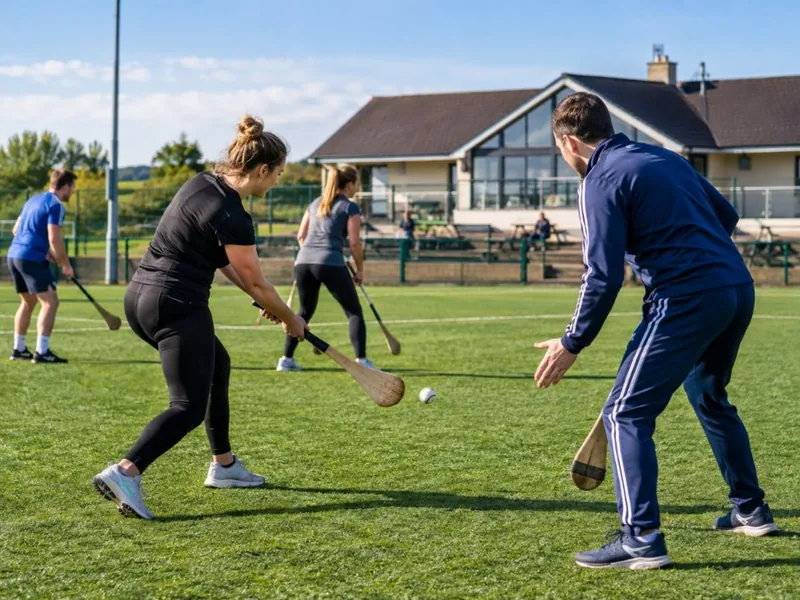
A real GAA club, real coaches and a hurley in your hands. Three hours in Glasnevin, ages 5 and up. Not at Croke Park.
Explore the Gaelic Games Experience Tour detailsFrequently asked questions
Can visitors try hurling in Dublin?
Yes. The Gaelic Games Experience runs three-hour coached sessions of hurling, Gaelic football and handball at Na Fianna GAA club in Glasnevin. It is not suitable for children under 5.
When is the GAA season?
The national leagues run in spring, and the championships from April to July, with the All-Ireland finals at Croke Park in July in recent seasons. Club games run through the rest of the year.
What is a sliotar?
The hurling ball: a cork core in a stitched leather cover, about the size of a tennis ball and much harder.
Do you need to understand the rules to enjoy a game?
No. Watch the crowd: they will tell you when something good has happened. The Stadium Tour film covers the basics too.
Ready to book
Choose your ticket
Free cancellation up to 24 hours before on every option. Prices are from-prices in USD and move with the season.
Gaelic Games Experience: Hurling & Football
- Introduction to Gaelic games and their history
- Coached hurling, Gaelic football and handball
- Video clips on the games and their place in Irish life
Croke Park Stadium Tour & GAA Museum
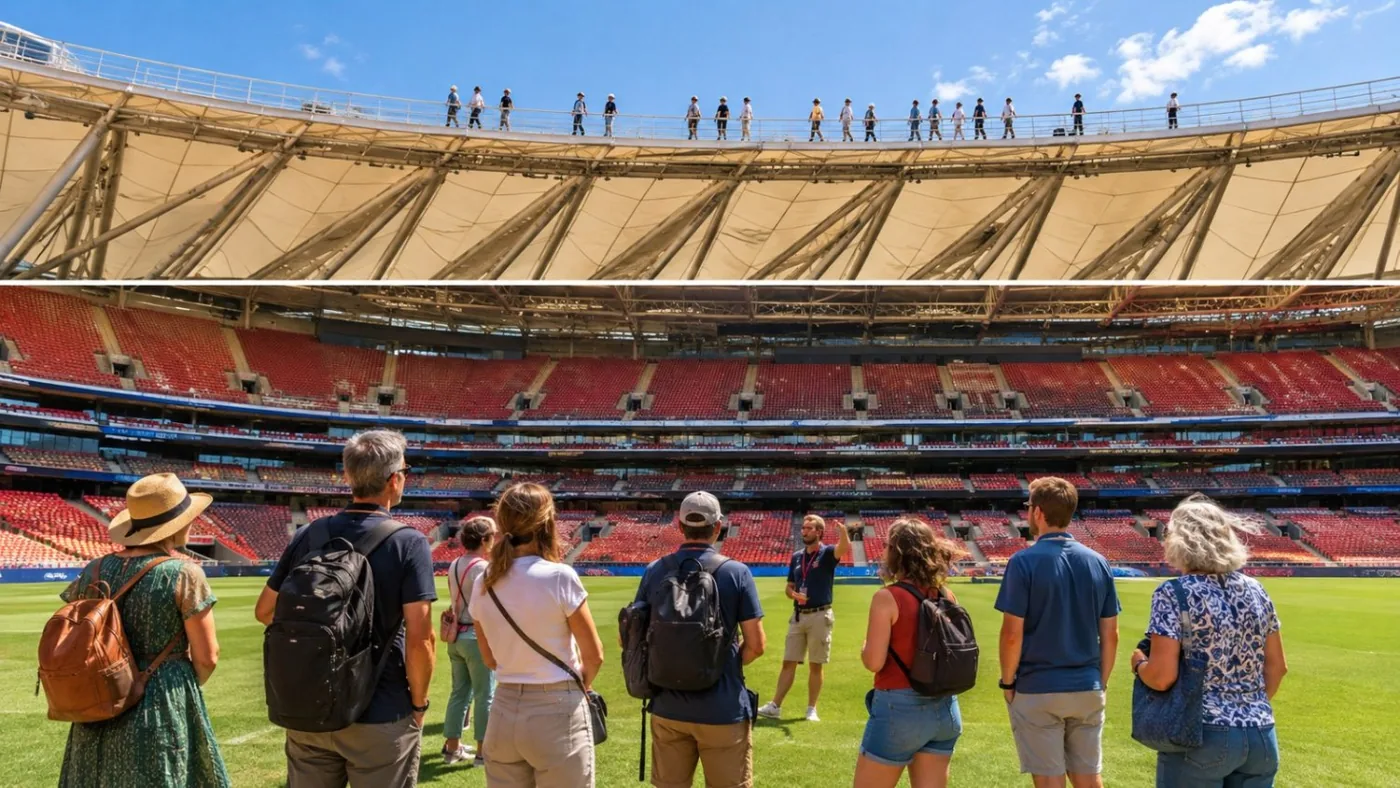
- 90-minute guided tour of Croke Park
- Entry to the GAA Museum
- Pitchside access