
Booking choice: The Croke Park Stadium Tour, from $20 per person. Check dates Tour details
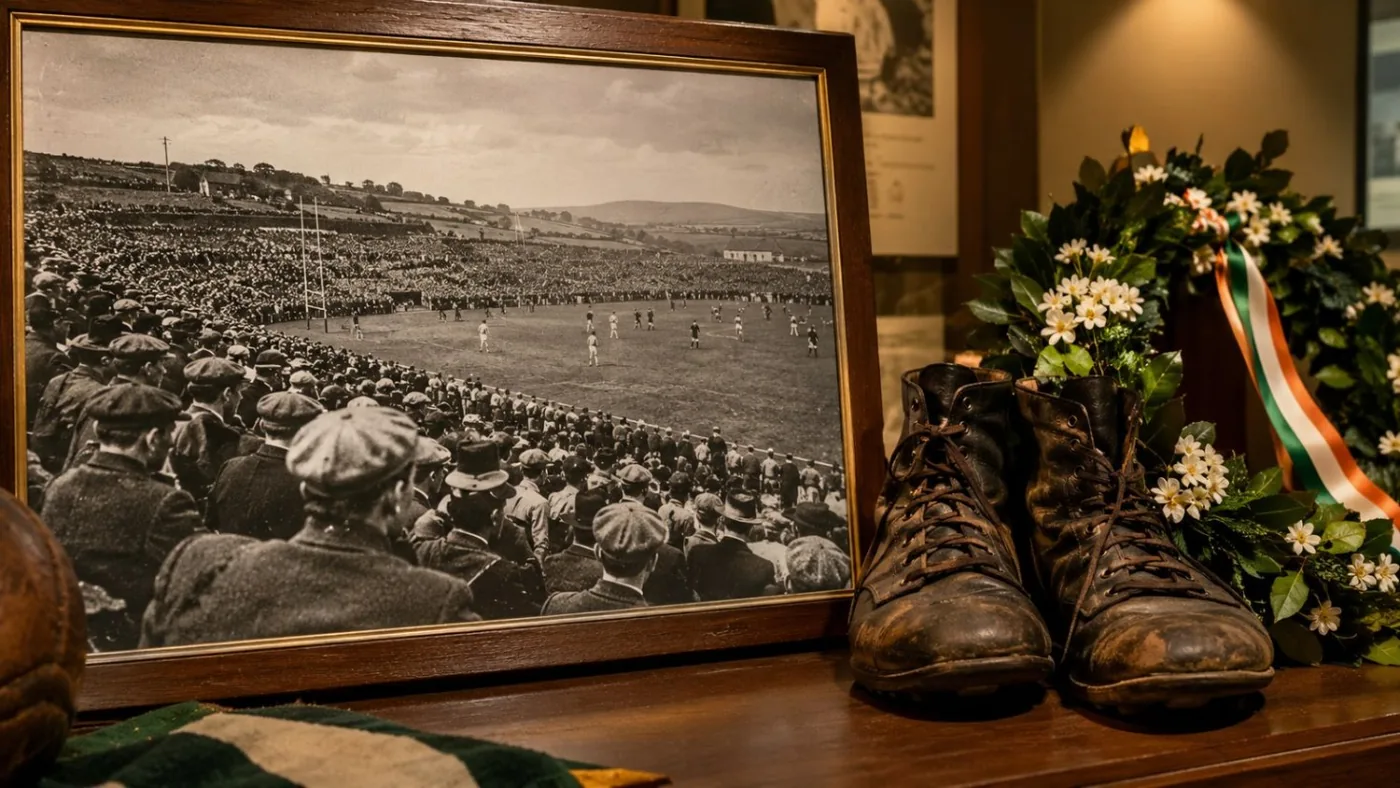
Croke Park is not on every Dublin list, and plenty of visitors walk past the idea because they do not follow Gaelic games. That is a mistake. The tour is less about sport than about Ireland: what the GAA meant to a country under British rule, what happened here on 21 November 1920, and why a stadium for unpaid players is one of the biggest in Europe.
Here is the case for it, the case against, and who should spend their two hours somewhere else.
The quick answer
Yes, for most visitors, sports fans or not. The Stadium Tour (from $20, museum included) takes you through the dressing rooms to pitchside in an 82,300-seat stadium and tells the Bloody Sunday story where it happened. Skip it if you have only one day in Dublin and no interest in Irish history, or if your date is a match day.
Is Croke Park worth visiting?
Yes. It is the best two hours of Irish history you can spend north of the Liffey, and you do not need to know the rules of hurling to enjoy it.
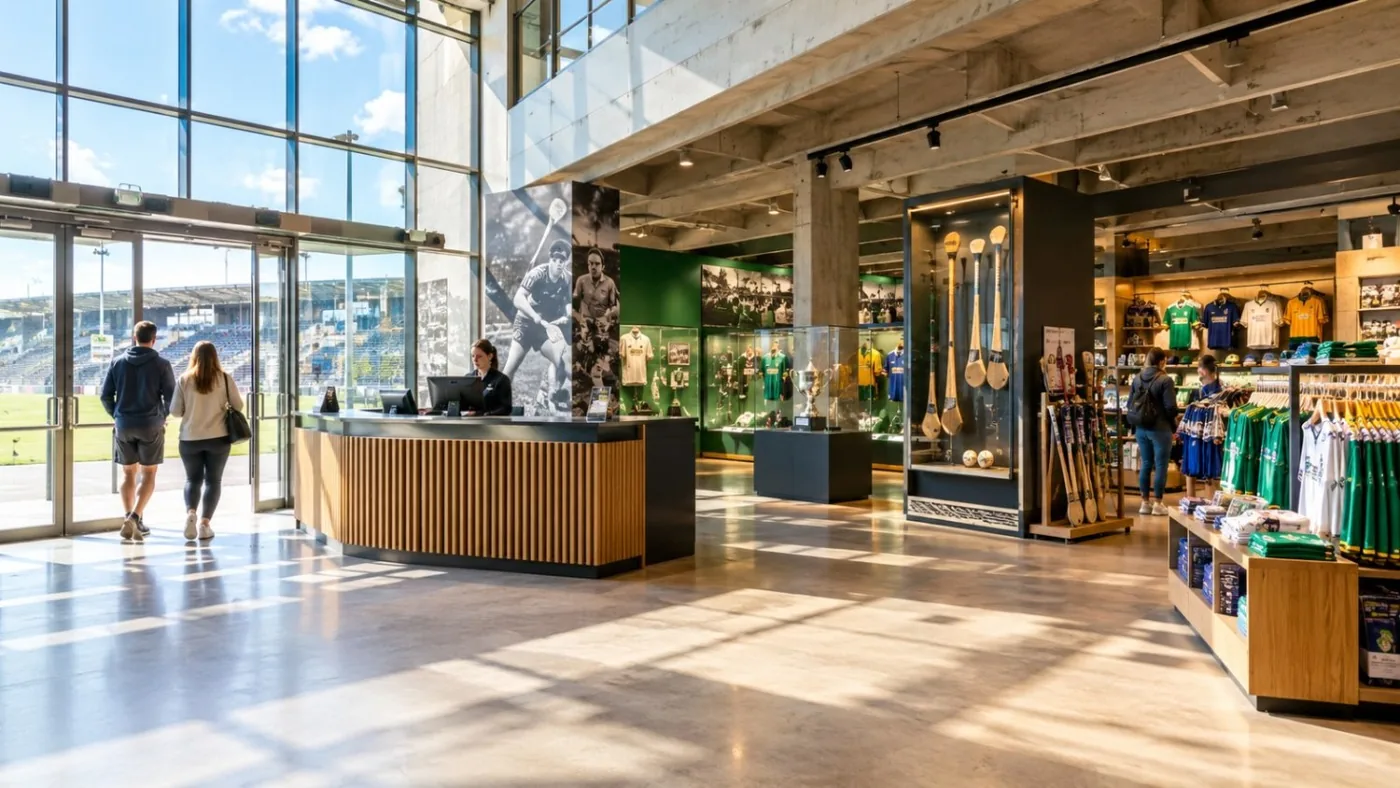
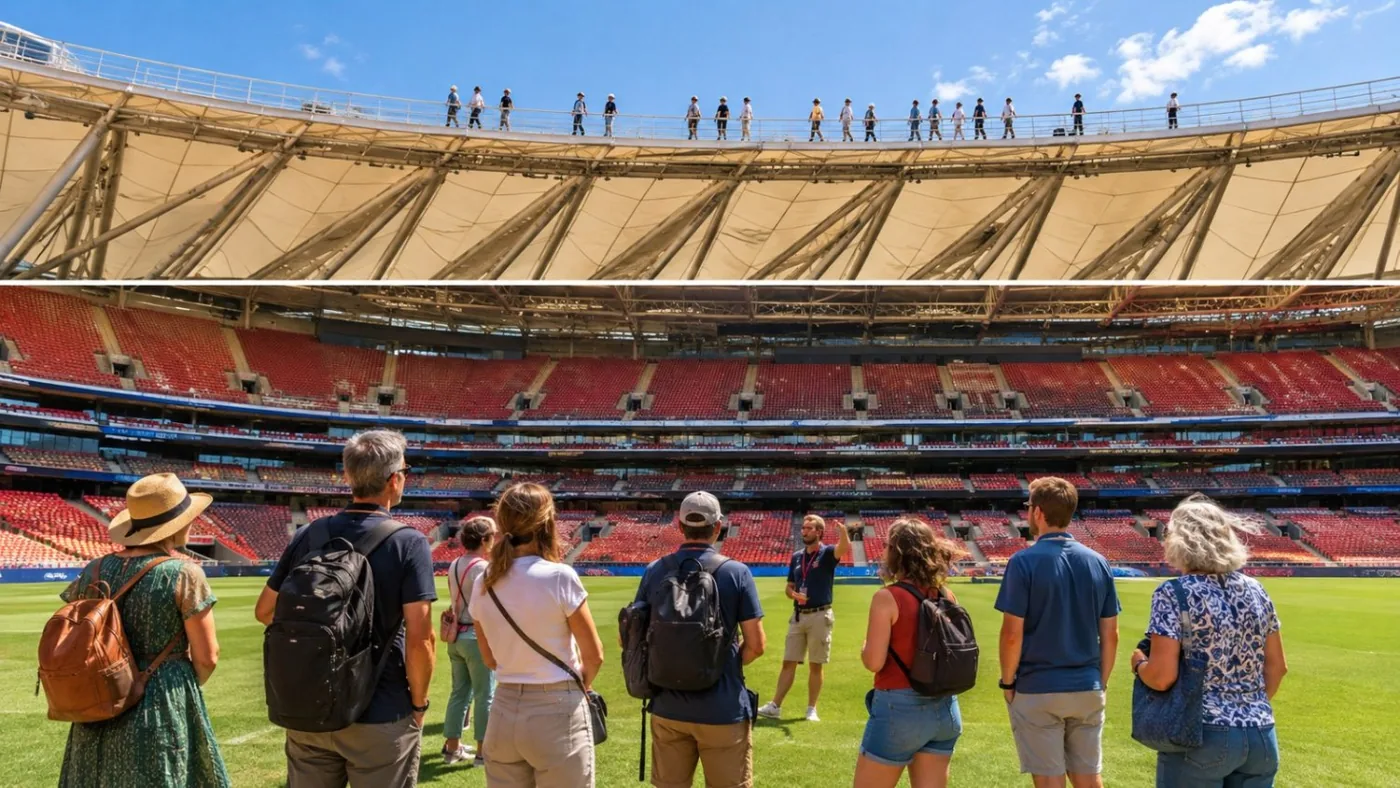
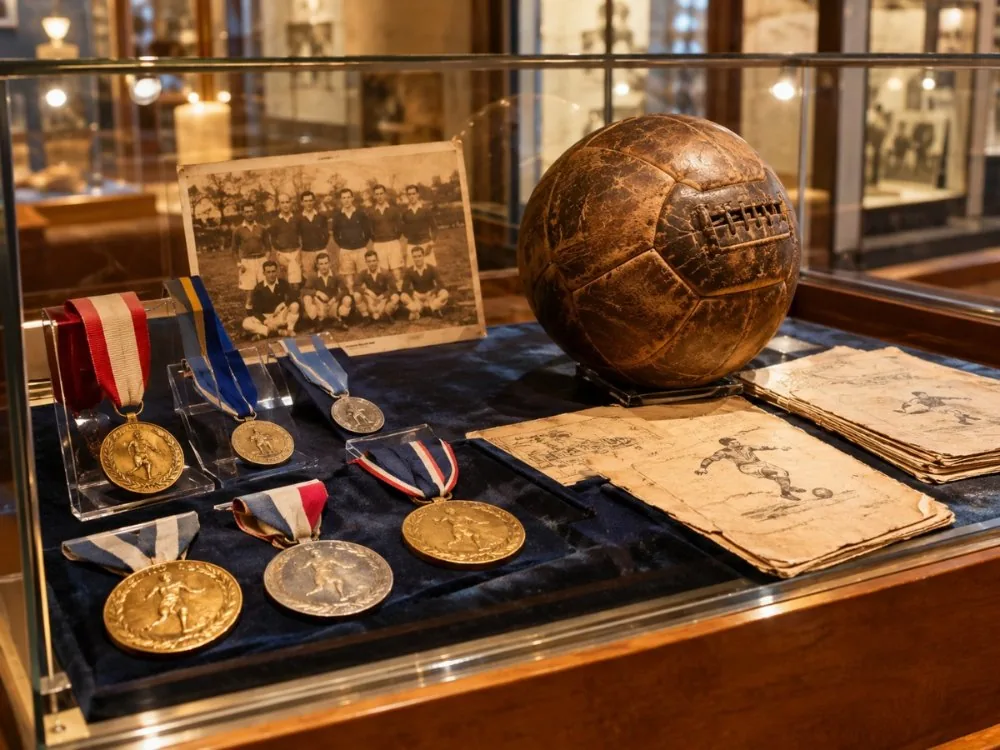
Three things make it work. The scale, first: walking out at pitch level in a stadium this size is a jolt, even if you have stood in bigger ones. Then the story: guides tell how the GAA began, how the ground was bought, and how Crown forces opened fire on a football crowd in 1920. And the museum, where the original Sam Maguire Cup and the Games Zone sit a floor apart.
It is also good value. The Stadium Tour costs €18 at Croke Park, less than most of the big Dublin visits, and includes the museum.
Dressing rooms, pitchside and the stands with a guide, and the museum with both great cups. Two hours, all ages.
Check dates for the Croke Park Stadium TourWhy is Croke Park so famous?
It is the home of Gaelic games and the stage for the All-Ireland finals, and it is where 14 people were killed on Bloody Sunday in 1920.
For Irish people it is simply "Croker", the place every club player dreams of reaching. The All-Ireland football and hurling finals are played here every summer, and the stands carry the names of the GAA's founders and of Michael Hogan, the Tipperary player shot on the pitch in 1920. The full story is in our Croke Park history guide.
It is famous beyond the GAA too. In 2007 Ireland's rugby team played England here, a match loaded with history, after the GAA relaxed its ban on "foreign games". U2 played the first big concert in 1985, Garth Brooks drew 401,000 people over five nights in 2022, and in September 2025 the stadium hosted Ireland's first regular-season NFL game.

Is it worth it if you know nothing about Gaelic games?
Yes. The tour opens with a 20-minute film that explains the games, and the guides pitch the stories at visitors, not at experts.
The tours are built for visitors, not experts. You get enough of the rules to follow, and a lot about why the games matter: the parish and county loyalty, the amateur players, the politics. The museum fills in the rest, and its Games Zone lets you try a high catch or a strike at a target yourself.
If you would rather play than watch, the Gaelic Games Experience gives you three coached hours of hurling, Gaelic football and handball at a club in Glasnevin. It is not at Croke Park. Our Gaelic games explainer covers the basics before you go.

Learn to strike a sliotar and solo a football with coaches at a real Dublin GAA club. Three hours, ages 5 and up.
Explore the Gaelic Games Experience Tour detailsWhat is the biggest GAA stadium in the world?
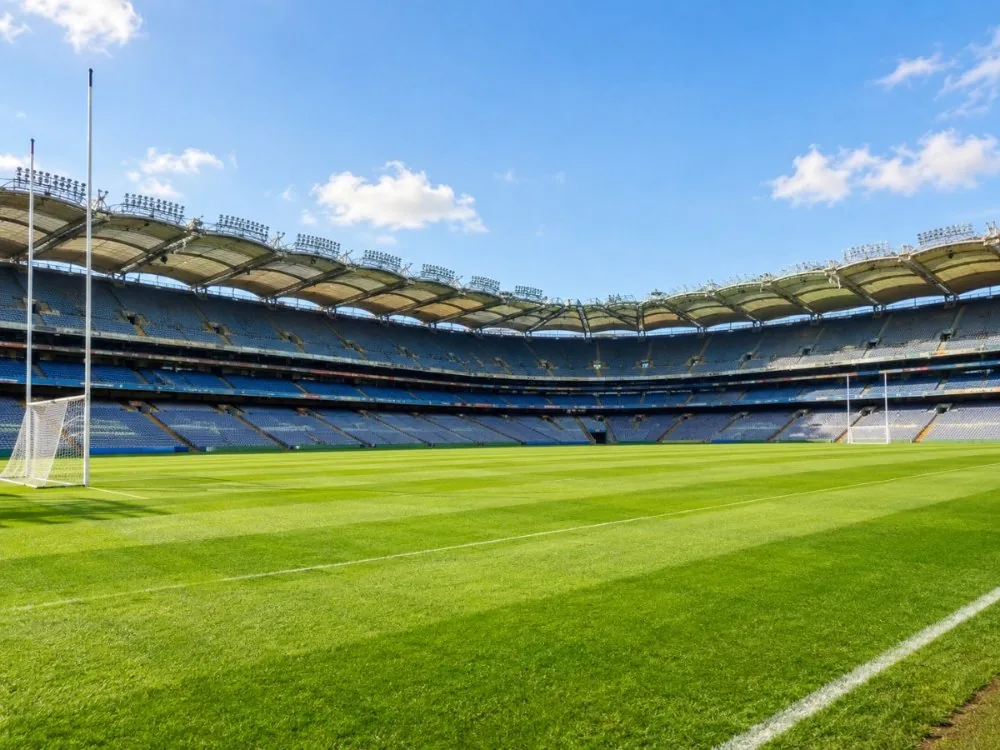
Croke Park, with a capacity of 82,300. No other GAA ground comes close.
Croke Park describes itself as the fourth-largest stadium in Europe, and it is the largest in Europe that is not normally used for soccer. Its capacity splits into about 69,100 seats and 13,200 standing places on Hill 16. The record crowd, 90,556, was set at the 1961 All-Ireland football final, before the stadium was rebuilt.
The next-biggest GAA grounds are in Munster. The Gaelic Grounds in Limerick, for one, has an official capacity of 44,023, about half of Croke Park.
Is Aviva or Croke Park bigger?
Croke Park, by a distance: 82,300 against about 51,700 at the Aviva Stadium.
The two do different jobs, and Dubliners tend to treat them as a pair:
| Croke Park | Aviva Stadium | |
|---|---|---|
| Capacity | 82,300 | About 51,700 |
| Home of | Gaelic games, the All-Ireland finals | Ireland's rugby and soccer teams |
| Owned by | The GAA | The IRFU and the FAI |
| Standing terrace | Hill 16 | No |
| Current stadium | Rebuilt 1991 to 2005 | Opened 2010 |
When the old Lansdowne Road was demolished to build the Aviva, Ireland's rugby and soccer teams moved to Croke Park from 2007 until the new stadium opened in 2010. From the Skyline you can pick out the Aviva across the city.
Who owns Croke Park?
The GAA. The association bought the ground in 1913 for £3,500 and has run it ever since, now through its own stadium company and board.
Frank Dineen, a GAA man and journalist, bought the old City and Suburban Racecourse on Jones's Road in 1908 and sold it to the association five years later. It was renamed after Archbishop Thomas Croke, the GAA's first patron. The stadium you see today was rebuilt in phases between 1991 and 2005 while games carried on.
Is Croke Park debt free? We have not found an official statement that settles it, so we will not claim it either way. What the published figures do show is that the stadium makes money for the games: an operating surplus of €18.4 million in 2022, with €17 million passed back to the GAA. The GAA's annual report sets out the stadium's accounts each year.
What are the downsides of visiting Croke Park?
Match days, the hidden entrance and the age limit on the roof. All three are easy to plan around.
- Match days change the museum hours and can cancel tours. Check the fixtures before you pick a date in summer.
- The entrance is under the Cusack Stand, off Clonliffe Road via St Joseph's Avenue. Visitors who walk to Jones Road lose 10 minutes. See how to get to Croke Park.
- The Skyline is for ages 12 and up and is no place for vertigo.
- The film takes 20 of the 90 minutes. It is good, but some visitors want the pitch sooner.
- Late tours squeeze the museum, which closes at 17:00. See it first if you book the 15:00 slot.
Book a weekday morning tour and the downsides mostly disappear. Free cancellation up to 24 hours before.
Check dates for the Croke Park Stadium TourHow does Croke Park compare with other Dublin visits?
It is cheaper and shorter than most of the big ones, and it tells a part of Irish history the others skip.
Here is how it sits beside the visits people usually weigh it against:
| Visit | Time | Online from | Best for |
|---|---|---|---|
| Croke Park Stadium Tour | 2 hours with museum | $20 | Sport, 1920, a giant stadium |
| Glasnevin Cemetery tour | 2 hours | $19 | The revolutionary generation |
| Book of Kells and Dublin Castle | 2 to 3 hours | $25 | Medieval and colonial Dublin |
| Guinness Storehouse | About 2 hours | $42 | A pint with a view |
Croke Park and Glasnevin pair well: Michael Cusack, who founded the GAA, is buried at Glasnevin, about 2 km north of the stadium, and several Bloody Sunday victims lie there too.
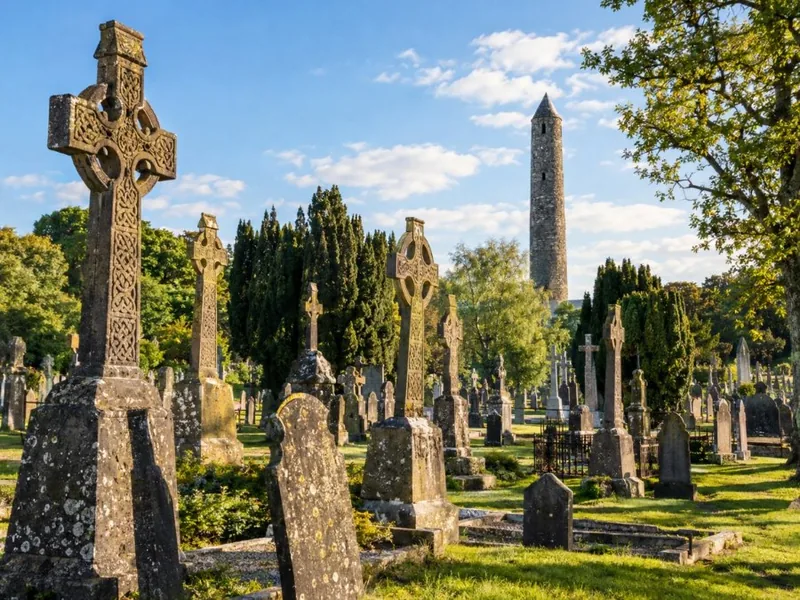
Two hours in Ireland's national cemetery with a guide, a short ride north of Croke Park.
Explore the Glasnevin Cemetery tour Tour detailsFrequently asked questions
How long do you need at Croke Park?
About two hours: 90 minutes for the Stadium Tour and at least 30 minutes for the museum.
Is Croke Park worth it for kids?
Yes. Under-3s go free, children pay the child rate, and the Games Zone in the museum is the highlight for most of them. The Skyline is 12 and up.
Can you watch a game at Croke Park as a tourist?
Yes. League games in spring and championship games in summer sell tickets to the public; check the fixtures on gaa.ie. A match ticket also gets you into the museum free.
Is Croke Park worth visiting in winter?
Yes. Tours run three times a day all winter, there are no championship clashes, and the Skyline adds dusk tours on selected dates.
Ready to book
Choose your ticket
Free cancellation up to 24 hours before on every option. Prices are from-prices in USD and move with the season.
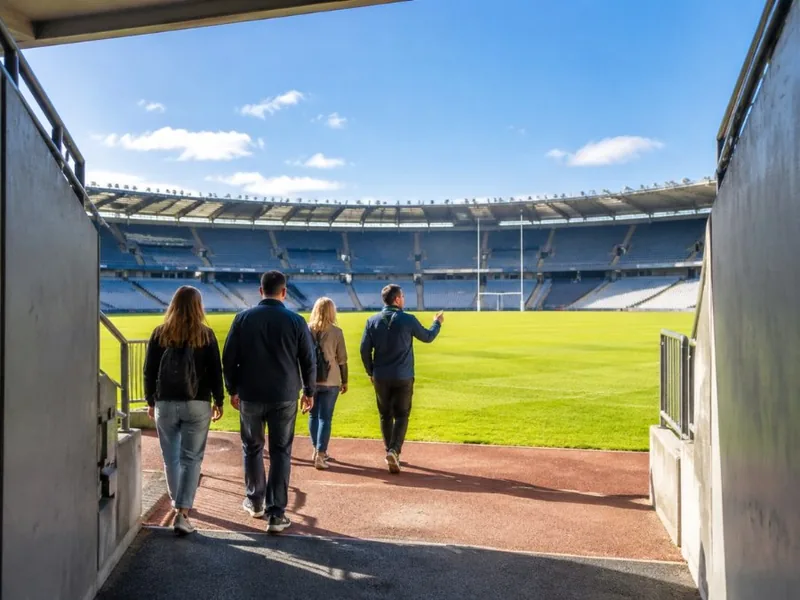
Croke Park Stadium Tour & GAA Museum
- 90-minute guided tour of Croke Park
- Entry to the GAA Museum
- Pitchside access
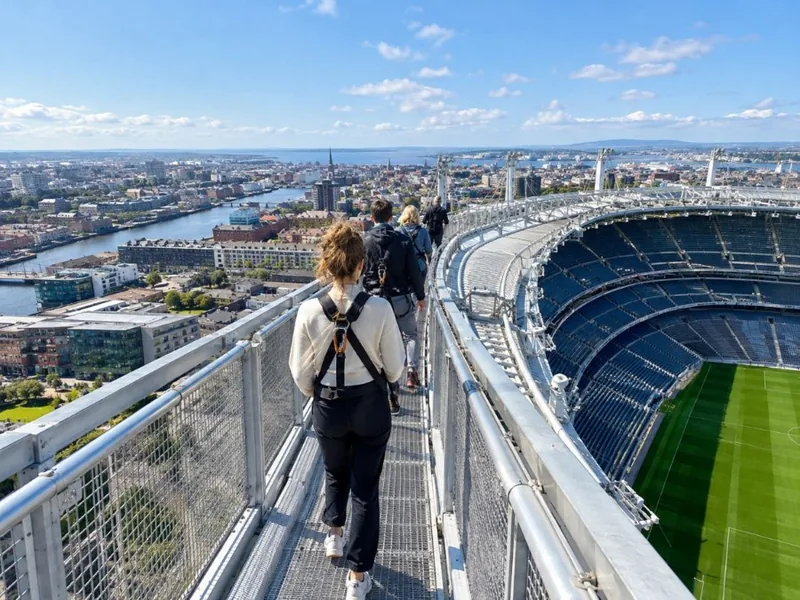
Croke Park Skyline Rooftop Tour & GAA Museum
- Guided walk on the Skyline rooftop walkway
- Six viewpoints over Dublin and the pitch
- Entry to the GAA Museum
Gaelic Games Experience: Hurling & Football
- Introduction to Gaelic games and their history
- Coached hurling, Gaelic football and handball
- Video clips on the games and their place in Irish life