Booking choice: The Croke Park Stadium Tour, from $20 per person. Check dates Tour details
Every stand at Croke Park is named after someone, and every name is a piece of Irish history. The Stadium Tour walks you past them; this guide gives you the story first, so you know what you are looking at.
It runs from a hotel room in Tipperary in 1884 to an England rugby team standing for "God Save the Queen" on a GAA pitch in 2007, by way of the afternoon in 1920 that gave the Hogan Stand its name.
The quick answer
The GAA was founded on 1 November 1884 in Thurles, and bought the Jones's Road ground in 1913 for £3,500. On Bloody Sunday, 21 November 1920, Crown forces opened fire during Dublin v Tipperary and killed 14 people, including the player Michael Hogan. The stands are named after Hogan and the GAA's founders, Hill 16 carries a tradition about 1916 rubble, and Rule 42 was relaxed in 2005 to let rugby and soccer in.
When was the GAA founded, and by whom?
On 1 November 1884, at Hayes's Hotel in Thurles, County Tipperary. Michael Cusack was the driving force, and Maurice Davin became the first president.
Cusack, a Clare-born teacher, wanted Irish people playing Irish games under Irish rules, at a time when British sports and their governing bodies were spreading fast. Archbishop Thomas Croke of Cashel agreed to be the association's first patron, and his letter of support gave the GAA standing across the country.
Cusack is buried in Glasnevin Cemetery, as are several of the people killed at Croke Park in 1920. The Glasnevin Cemetery tour covers the revolutionary period in depth, about 2 km north of the stadium.
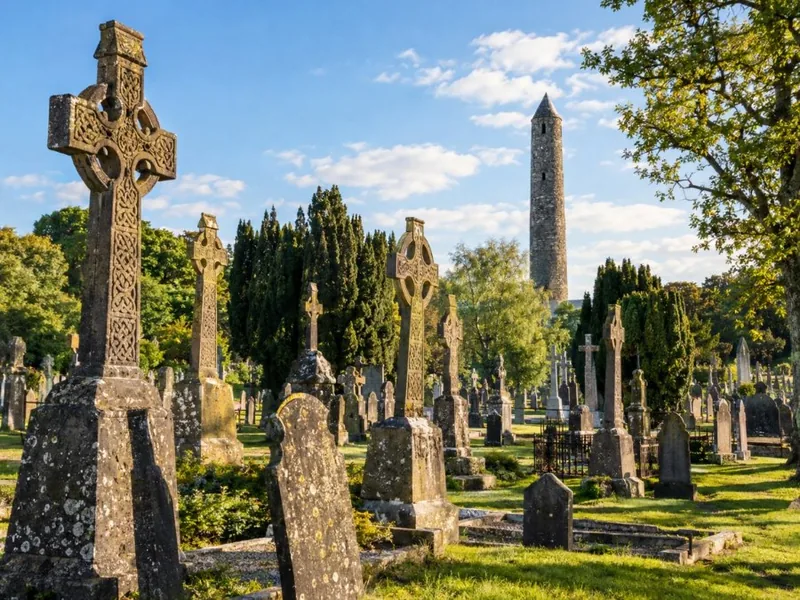
The national cemetery with a guide: Daniel O'Connell's crypt, Michael Collins and the 20th century.
Explore the Glasnevin Cemetery tour Tour detailsHow did the GAA come to own Croke Park?
Frank Dineen bought the City and Suburban Racecourse on Jones's Road in 1908 for £3,250 and sold it to the GAA in 1913 for £3,500.
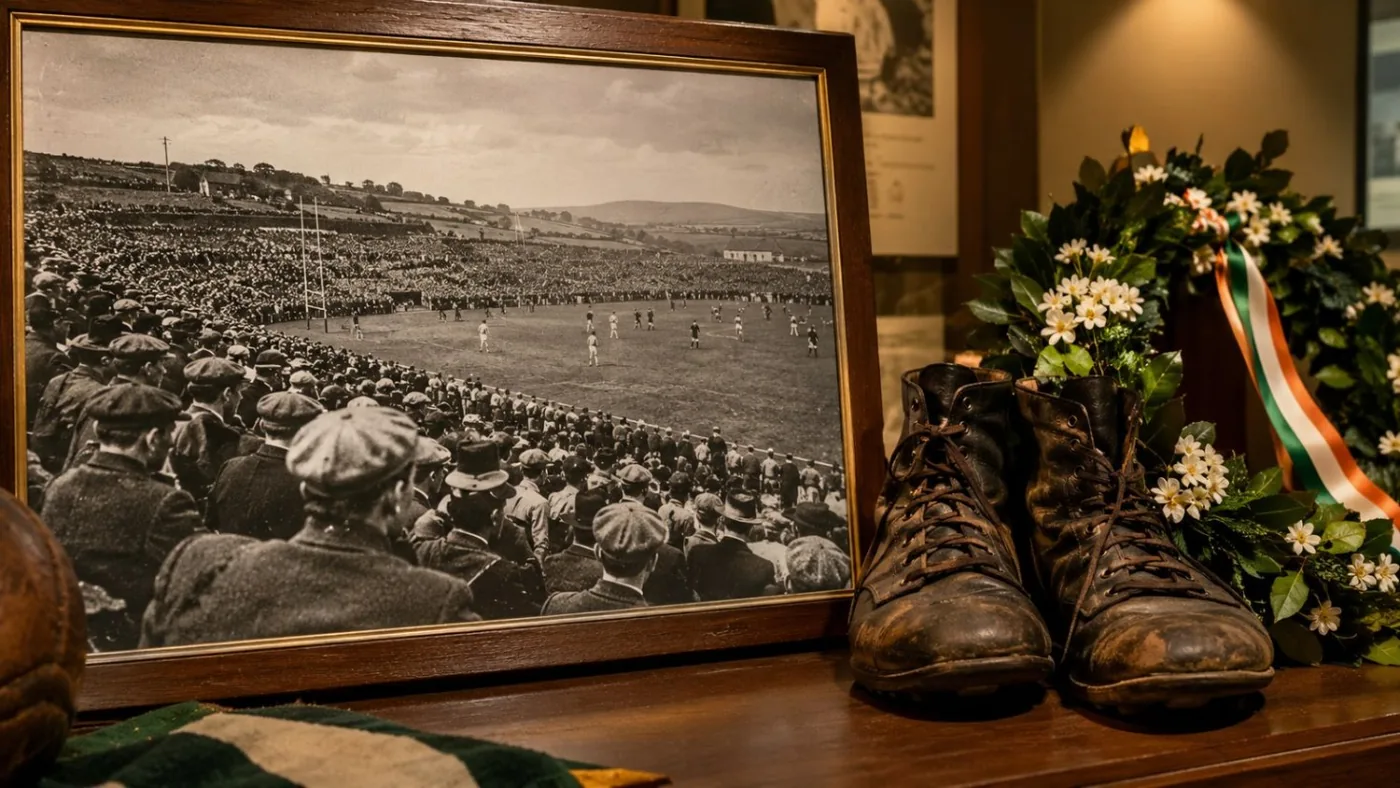
Dineen was a GAA man, a journalist and a former president of the association, and he bought the ground with the GAA in mind. Once the association owned it, it was renamed in memory of Archbishop Croke, who had died in 1902. Its Irish name is Páirc an Chrócaigh; most people say "Croker".
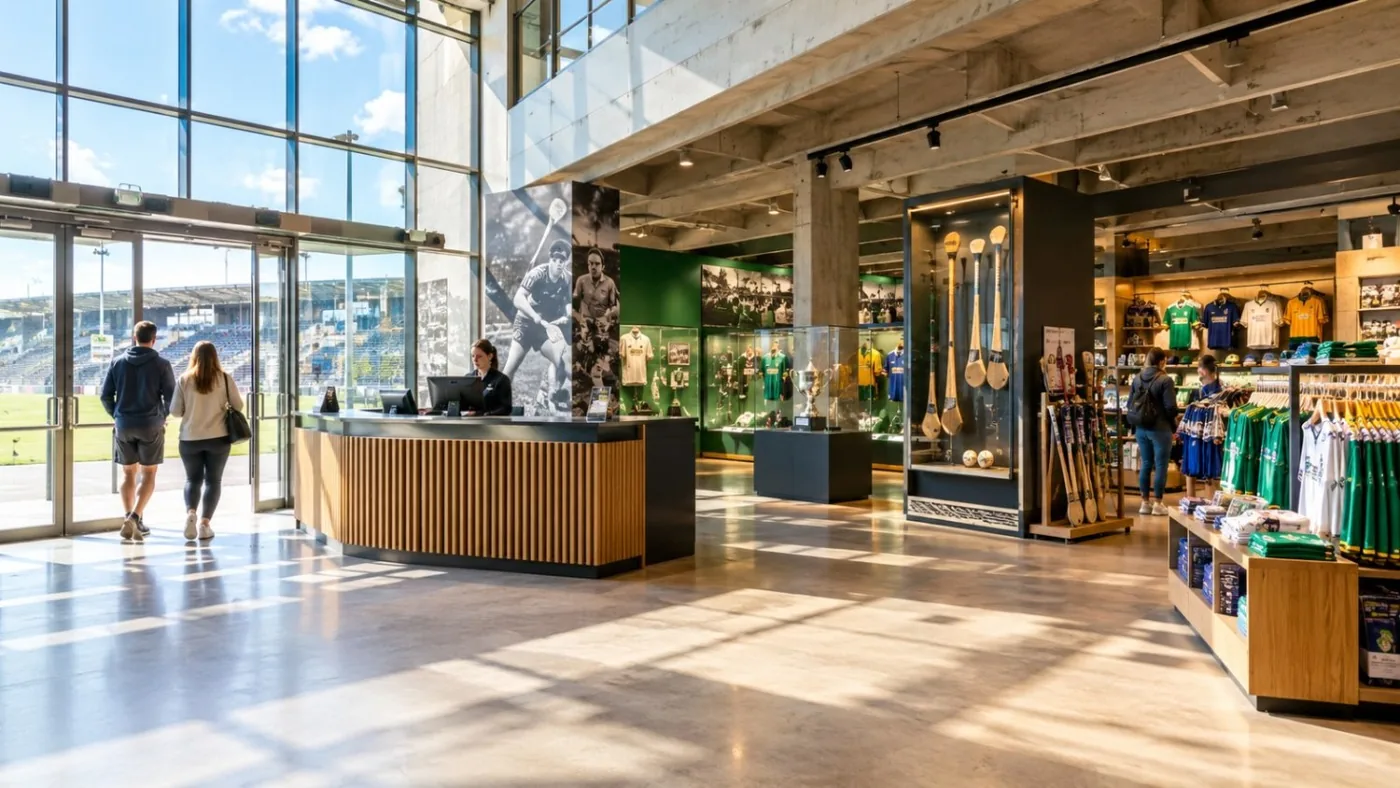
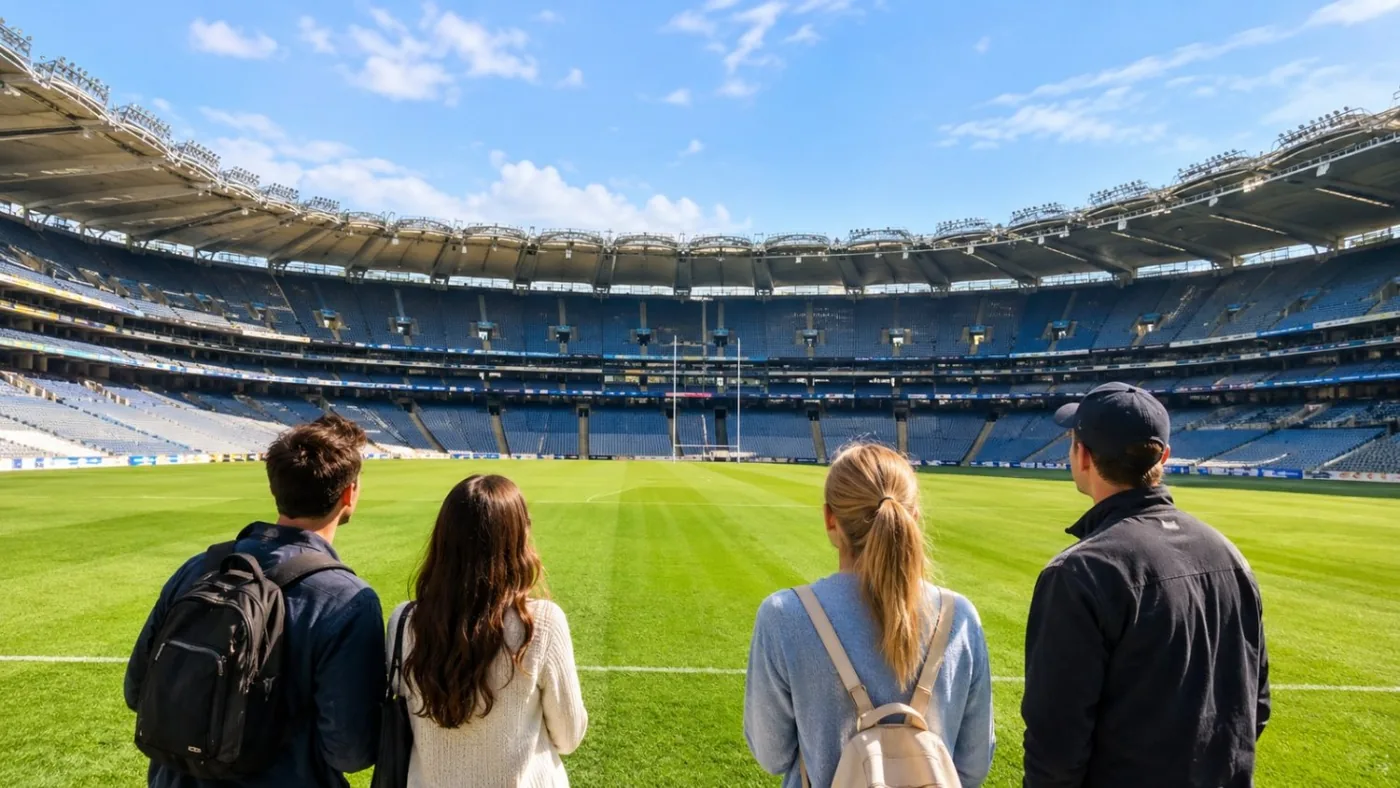
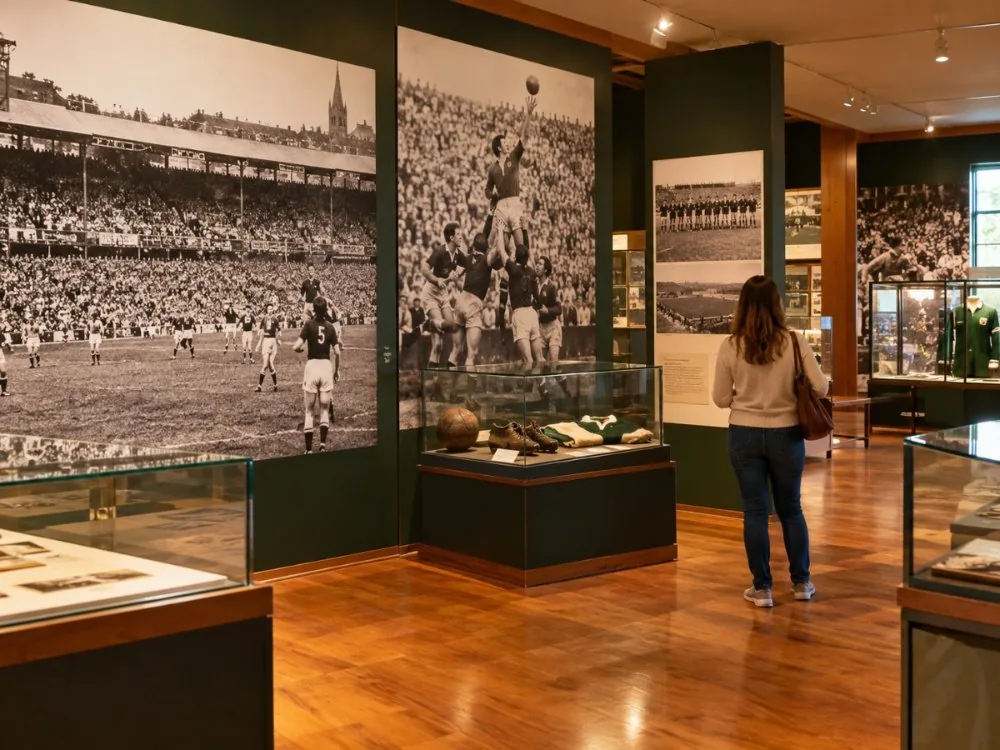
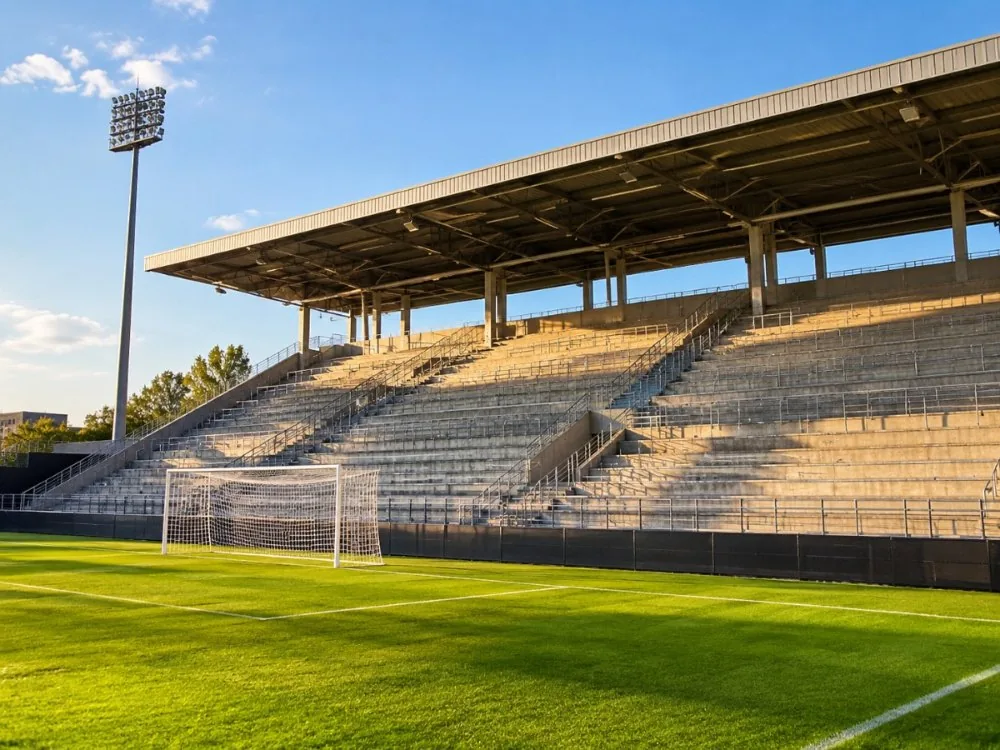
The GAA still owns it. The old stands were replaced in four phases between 1991 and 2005, with games going on throughout, and the result is the 82,300-capacity bowl you tour today.
What is the oldest GAA stadium in Ireland?
There is no official answer. Several grounds date from the GAA's first years; Fraher Field in Dungarvan, for example, has been a Gaelic field since 1885.
The difficulty is definition. Many county grounds were fields long before they were stadiums, and many were rebuilt and renamed. Fraher Field in Waterford, leased by the GAA pioneer Dan Fraher in 1885, is often named among the oldest, and the local press calls it "one of the oldest G.A.A. Fields in the country". The Gaelic Grounds in Limerick opened in 1928.
Croke Park has been GAA property since 1913, and before that it was a racecourse.
What happened at Croke Park on Bloody Sunday in 1920?
On 21 November 1920, during the War of Independence, Crown forces opened fire on the crowd at a Gaelic football match between Dublin and Tipperary. Fourteen people died.
That morning, Michael Collins's IRA unit had shot dead British intelligence officers and others at addresses across Dublin. In the afternoon, forces including Auxiliaries of the Royal Irish Constabulary drove into Croke Park during the match and opened fire. People ran for the exits and over the walls. Michael Hogan, a 24-year-old Tipperary player, was shot on the pitch.
Do not confuse it with the Bloody Sunday in Derry in 1972, a different event. Croke Park runs special Remembering Bloody Sunday tours around the anniversary each November; details for this year are in our Remembering Bloody Sunday 2026 post.
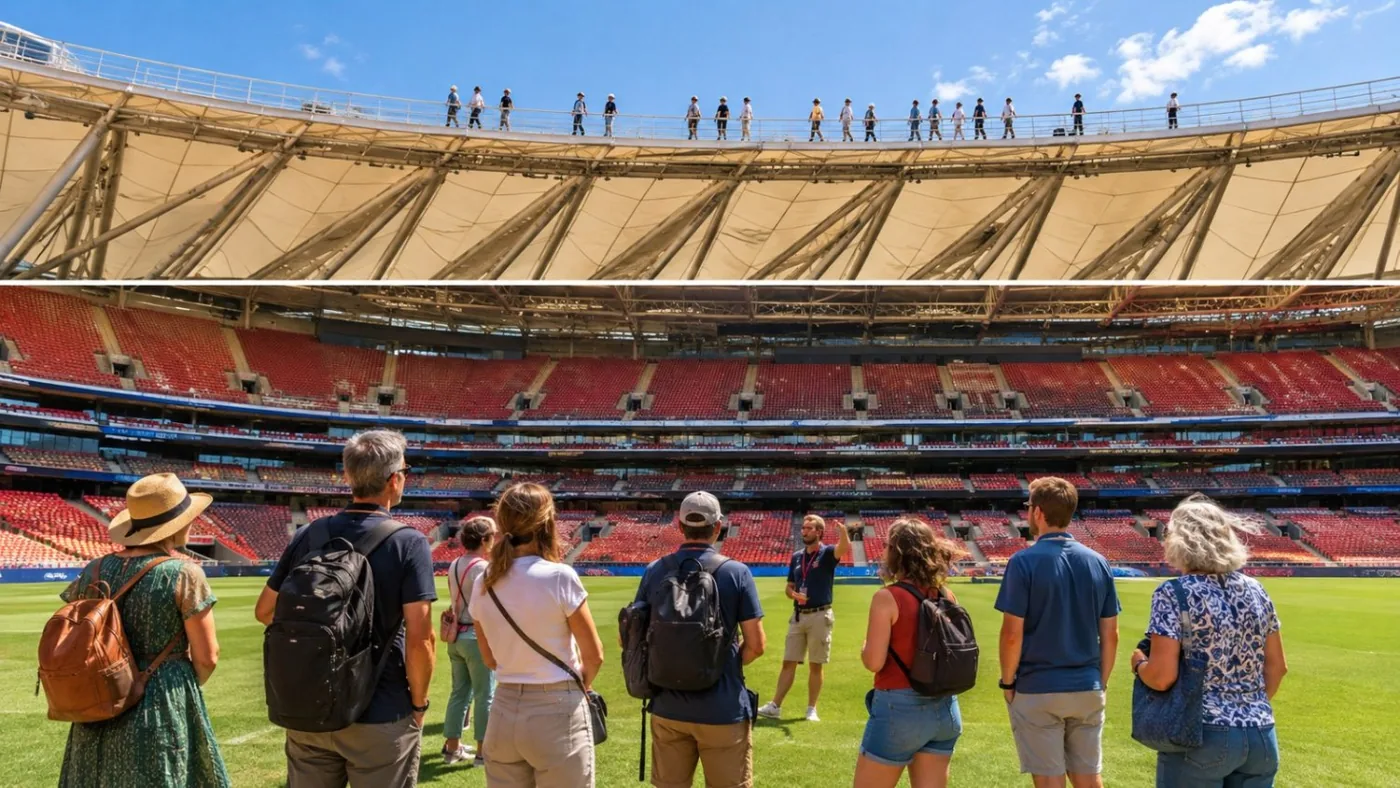
The Stadium Tour tells the Bloody Sunday story on the pitch where it happened.
Check dates for the Croke Park Stadium TourHow many people died in the Croke Park massacre?
Fourteen: thirteen spectators and the Tipperary player Michael Hogan. The youngest was 10, and three of the dead were children.
Croke Park's Remembering the Victims page names them all. Jerome O'Leary was 10. William Robinson, 11, was watching from a tree. John William Scott was 14. Jane Boyle, 28, the only woman killed, was engaged to be married. Some died on the field; others, like Daniel Carroll and Tom Hogan, died of their wounds in the days after.
For more than 90 years eight of the victims lay in unmarked graves. The GAA's Bloody Sunday Graves Project has since marked them.
Who are the Croke Park stands named after?
The Hogan Stand is named after Michael Hogan; the Cusack, Davin and Nally ends after GAA founders; Hill 16 after the 1916 Rising.
| Stand | Named after | Who they were |
|---|---|---|
| Hogan Stand | Michael Hogan | Tipperary player killed on Bloody Sunday, 1920 |
| Cusack Stand | Michael Cusack | Founder of the GAA. The museum is underneath |
| Davin Stand | Maurice Davin | First president of the GAA. Sits at the canal end |
| Nally Terrace | Patrick Nally | Athlete and nationalist whose ideas fed the GAA's founding |
| Dineen Hill 16 | The 1916 Rising, and Frank Dineen | The standing terrace. "Dineen" was added in 2006 |
On the tour you meet the Hogan and Cusack stands up close. From the Skyline you see the whole set, which is the easiest way to understand how the ground fits together. Our Stadium Tour or Skyline guide compares the two.
Is Hill 16 really built from 1916 Rising rubble?
That is the tradition, and nobody has proved it. The terrace is said to have been built up with rubble from O'Connell Street after the Easter Rising.
One account says the bank was first raised in 1915 and called Hill 60, after a battle at Gallipoli, and only took the 1916 name later. Either way, the name stuck, and the meaning grew with it. Hill 16 is the stadium's only standing area, home end for Dublin supporters, and since 2006 officially Dineen Hill 16 after the man who bought the ground.
Ask your guide which version they believe. Most enjoy the question.
What was Rule 42, and why did rugby come to Croke Park?
Rule 42 keeps games that rival the GAA's off its grounds. In 2005 it was relaxed while Lansdowne Road was rebuilt, and rugby and soccer internationals came to Croke Park from 2007.
The GAA voted 227 to 97 in April 2005 to let its stadium be rented while Ireland's national stadium was closed. The first rugby game, against France, was on 11 February 2007. The second, against England on 24 February, carried the weight of 1920: "God Save the Queen" played at the ground where Crown forces had fired on the crowd. It passed in respectful silence, and Ireland won 43-13.
The internationals moved to the new Aviva Stadium in 2010. A separate rule, Rule 21, which had barred members of the British security forces from GAA membership, was removed in 2001. Croke Park now hosts concerts and, since 2025, NFL football, but its everyday business is still hurling and Gaelic football.
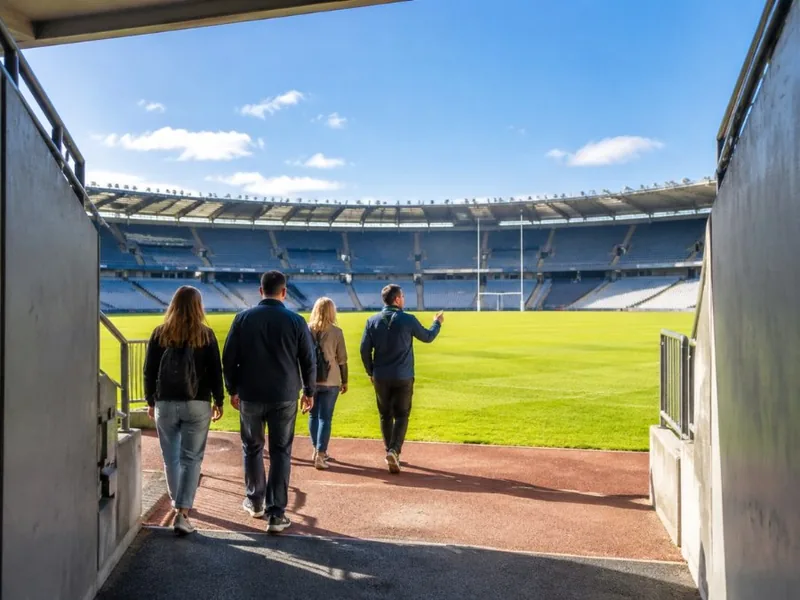
Walk the pitch where all of this happened, with a guide who tells it well. Museum included.
Explore the Croke Park Stadium Tour Tour detailsFrequently asked questions
How do you say Croke Park in Irish?
Páirc an Chrócaigh, roughly "pawrk un KHROH-kee". Most Dubliners just call it Croker.
Is the Croke Park Bloody Sunday the same as Derry?
No. Croke Park's Bloody Sunday was on 21 November 1920. The Derry killings, also called Bloody Sunday, were on 30 January 1972.
Where is Michael Cusack buried?
In Glasnevin Cemetery in north Dublin, about 2 km from Croke Park.
Is the original Sam Maguire Cup at Croke Park?
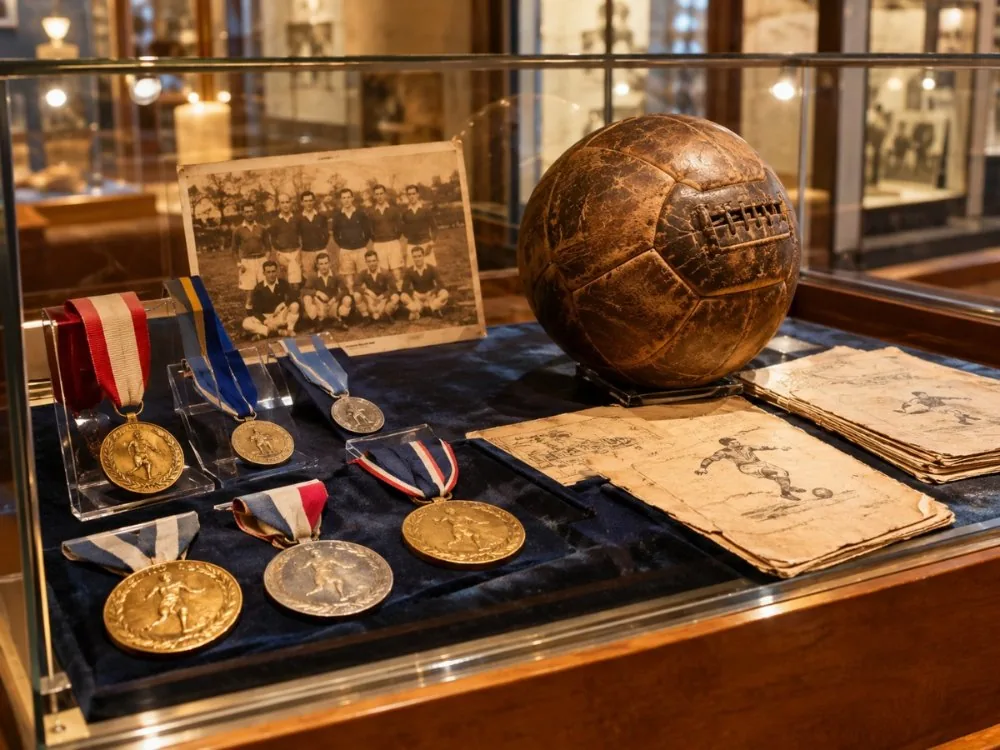
Yes. The original, presented from 1928 and retired in 1987, is in the GAA Museum. The winners now lift a replica.
Ready to book
Choose your ticket
Free cancellation up to 24 hours before on every option. Prices are from-prices in USD and move with the season.
Croke Park Stadium Tour & GAA Museum
- 90-minute guided tour of Croke Park
- Entry to the GAA Museum
- Pitchside access
Glasnevin Cemetery Irish History Tour
Where Michael Cusack, founder of the GAA, is buried
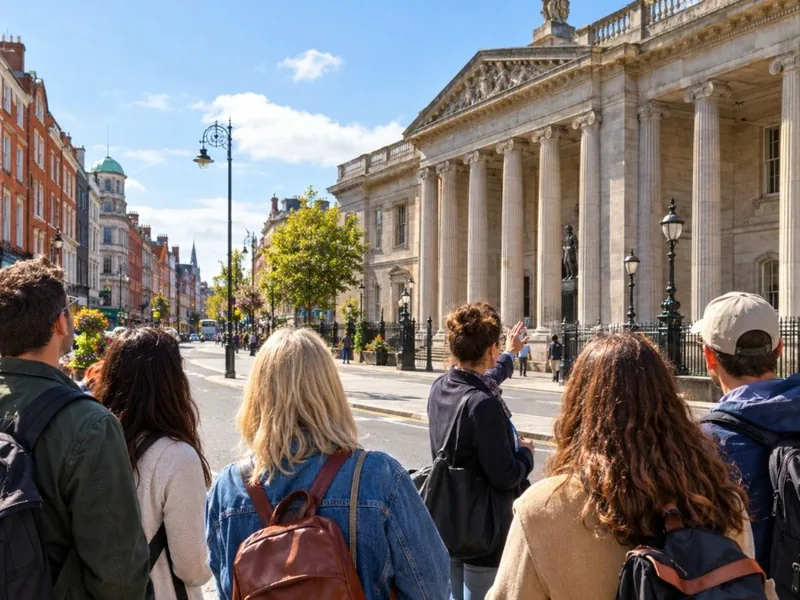
Historical Walking Tour of Dublin
The city story behind Bloody Sunday 1920